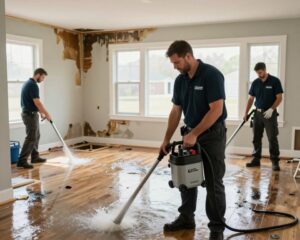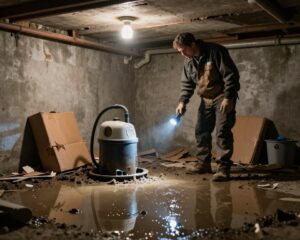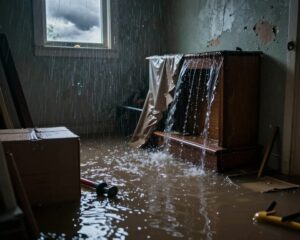
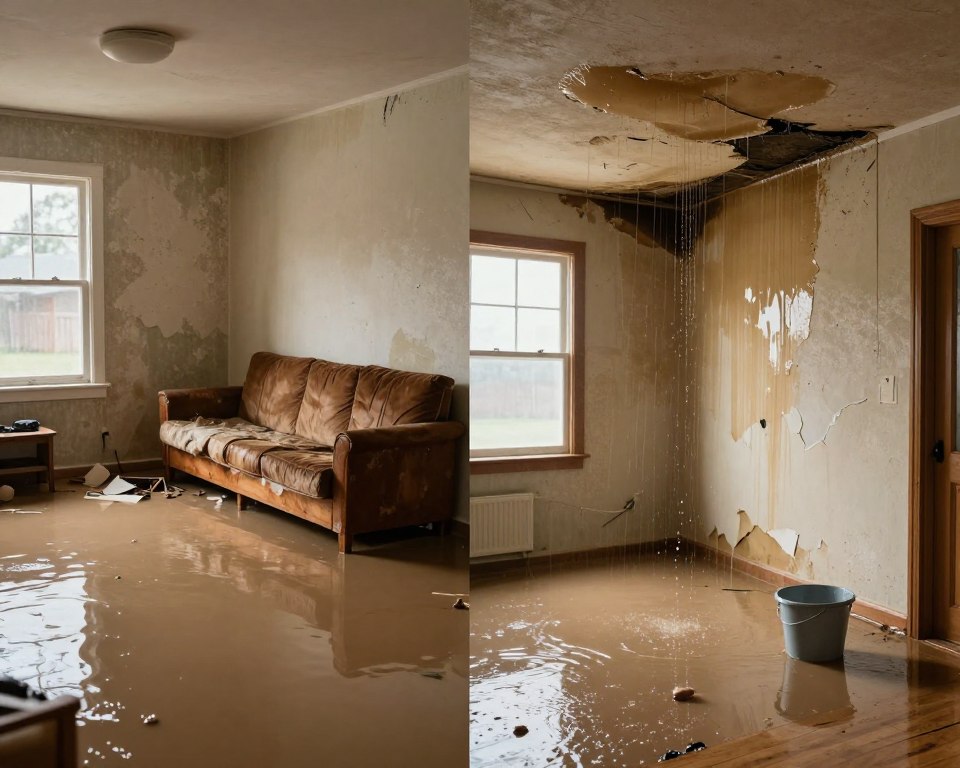
Do you know the difference between flood damage and water damage? It’s important for insurance and fixing your home.
The National Flood Insurance Program says a flood is when water covers two or more acres of land. Or, it’s when water covers two or more properties. This shows how hard it can be to tell if damage is from flooding or not.
Versatile Restoration Pros can help you figure out what caused the damage. They guide you through fixing your home. Knowing the difference helps you fix your home right.
Key Takeaways
- Understanding the difference between flood damage and water damage is key for insurance.
- The National Flood Insurance Program has a clear definition of flooding.
- Versatile Restoration Pros can help you fix your home.
- Finding out what caused the damage is important for fixing it right.
- Knowing the difference helps you fix your home faster.
Understanding Flood Damage
When water from outside floods a home, the damage can be huge. Flood damage is a big worry for homeowners, especially in flood-prone areas. It’s key to know about flood damage to lessen its effects and get through the recovery.
Definition of Flood Damage
Flood damage happens when water from outside, like heavy rain or storms, fills a property. This damage harms the home’s structure and its stuff. Versatile Restoration Pros see cases where floodwaters damage and pollute the property with debris and health risks.
Common Causes of Flood Damage
Flooding comes from natural and man-made things. Some common reasons include:
- Heavy rain that overflows local drains
- Hurricanes and storms that bring lots of rain and high water
- Fast snowmelt that makes rivers overflow
- Dam or levee failures
These can cause big floods, especially in low places or near big water bodies. Knowing these causes helps homeowners prevent damage.
Areas Typically Affected by Flooding
Some places get flooded more than others. These include:
- Coastal areas hit by storm surges
- River basins and low spots near water
- Urban areas with bad drainage
Homeowners in these spots should watch out and get ready for floods. Knowing the risks and being proactive can lessen flood damage.
Understanding Water Damage
Water is a big threat to properties, causing expensive repairs. It happens when there’s too much water inside, like from leaks or broken appliances.
Definition of Water Damage
Water damage means water gets into a property and damages it. This can harm walls, floors, ceilings, and things inside. The Versatile Restoration Pros know it’s important to act fast to fix this.
Common Causes of Water Damage
Many things can cause water damage, including:
- Plumbing leaks and bursts
- Appliance malfunctions (e.g., washing machines, dishwashers)
- Roof leaks
- Sewer backups
For more info on flood vs. water damage, check this resource.
Areas Typically Affected by Water Damage
Water damage can hit different parts of a property, like:
| Area | Common Issues | Potential Consequences |
|---|---|---|
| Walls and Floors | Water seepage, warping | Structural damage, mold growth |
| Ceilings | Leaks, sagging | Collapse, water staining |
| Personal Belongings | Waterlogging, contamination | Loss of valuables, health risks |
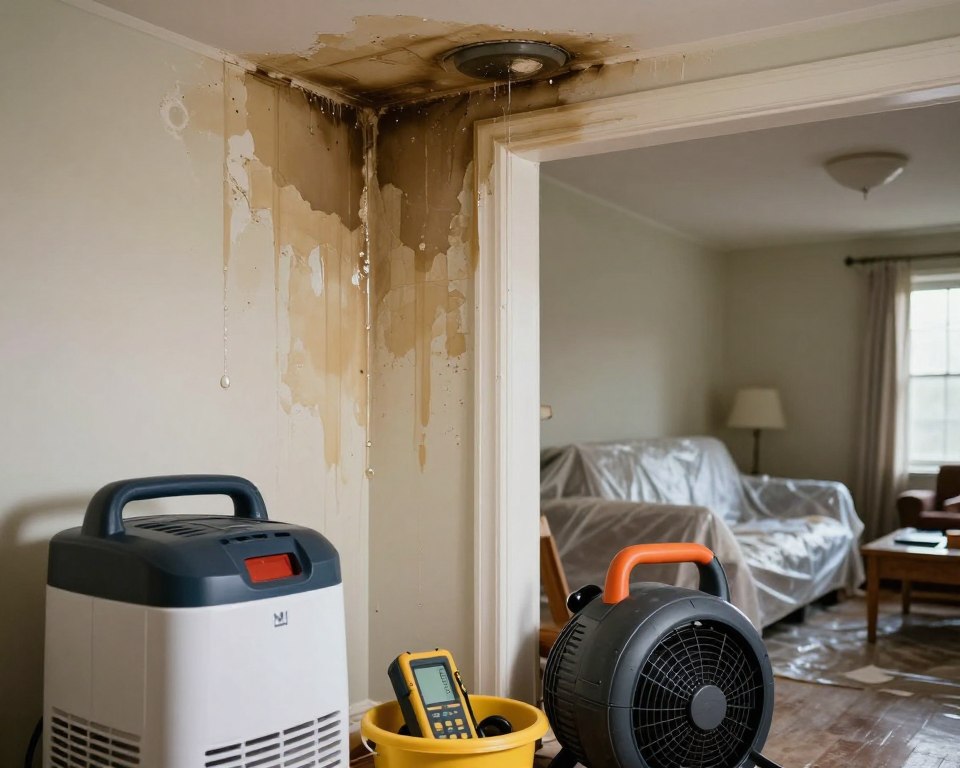
Knowing about water damage helps homeowners prevent it. They should also get help quickly if it happens.
Key Differences Between Flood and Water Damage
Knowing the difference between flood and water damage is key for homeowners. Both involve water, but the source and how they happen are different.
Source of Water
Flood damage comes from outside, like heavy rain or overflowing rivers. On the other hand, water damage usually happens inside, from things like broken pipes or leaks.
Insurance Considerations
Insurance for flood and water damage is not the same. Most home insurance covers water damage inside. But, flood damage needs a special policy.
| Type of Damage | Typical Cause | Insurance Coverage |
|---|---|---|
| Flood Damage | External natural events (e.g., heavy rainfall, storm surges) | Separate flood insurance policy |
| Water Damage | Internal issues (e.g., plumbing failures, appliance malfunctions) | Standard homeowners’ insurance policy |
Legal Definitions and Implications
Legal definitions of flood and water damage matter for insurance claims. Knowing these can help homeowners get the right coverage. For example, the National Flood Insurance Program (NFIP) offers flood insurance with clear rules.
Understanding the differences helps homeowners prepare and get the right insurance. Versatile Restoration Pros can help with damage assessment and insurance claims.
Similarities Between Flood and Water Damage
It’s important to know how flood and water damage are similar. Both can badly hurt properties. They can cause lasting damage.
Potential for Structural Damage
Both can cause structural damage if not fixed right away. Water can harm building materials and weaken foundations. It can also cause warping, cracking, and collapse over time.
Floodwaters can have harmful stuff in them. This can damage materials and make restoration hard. Water from leaks or broken appliances can also weaken a building’s structure.
| Damage Type | Common Structural Impacts |
|---|---|
| Flood Damage | Foundation weakening, wall cracks, floor warping |
| Water Damage | Roof leaks, wall damage, mold growth |
Health Risks Associated
Both flood and water damage can be bad for your health. Contaminated water can bring harmful germs into homes and businesses. This can be very dangerous for people living or working there.
“Water damage, whether from flooding or leaks, creates an ideal environment for mold growth, which can lead to respiratory issues and other health problems.”
Experts like Versatile Restoration Pros are key in reducing these risks. They make sure areas are dry and clean.
Required Remediation Processes
The steps to fix both flood and water damage are similar. They include drying, cleaning, and fixing damaged areas. Experts use special tools to dry out places, remove bad stuff, and fix materials.
- Drying out the property to prevent further damage
- Cleaning and sanitizing to remove contaminants
- Restoring or replacing damaged materials and structures
Knowing these similarities helps property owners get ready for and deal with both flood and water damage. This can help reduce long-term damage.
How to Address Flood Damage
When flood damage happens, you must act fast and smart. This helps reduce losses and ensures a full recovery. The steps include emergency response, working with insurance, and hiring experts.
Emergency Response Steps
First, make sure you and others are safe. This means leaving the area if needed and avoiding dirty water. After it’s safe, do the following:
- Take photos and videos of the damage for insurance.
- Use the right tools to remove standing water and prevent more damage.
- Start drying the wet areas to stop mold from growing.
Working with Insurance Adjusters
Handling insurance claims can be tricky. To make it easier, do the following:
- Call your insurance right after the flood.
- Give them all the damage details, like photos and lists of what’s broken.
- Work with your adjuster to figure out the damage and what’s covered.
Talking clearly with your adjuster helps your claim go smoothly.
| Task | Responsibility | Timeline |
|---|---|---|
| Notify Insurance Provider | Homeowner | Immediate |
| Document Damage | Homeowner | Within 24 hours |
| Meet with Adjuster | Homeowner/Adjuster | Within 3-5 days |
Hiring Restoration Professionals
Fixing your home after a flood needs special skills. Versatile Restoration Pros have the know-how to:
- Check the damage and plan the fix.
- Do the repairs, like removing water, drying, and rebuilding.
- Help with your insurance to make the process easier.
Choosing the right experts is crucial for a good fix.
By following these steps and teaming up with pros like Versatile Restoration Pros, you can fix flood damage and get your home back to normal.
How to Address Water Damage
Water damage needs quick action to stop more harm and health risks. It’s key to act fast to protect your property.
Initial Actions to Take
First, stop the water source and stay safe. If it’s a burst pipe or leaky appliance, turn off the main water supply.
Document the damage well with photos and videos for insurance. This helps prove your claim and gets you the right coverage.
Finding Qualified Contractors
To fix your property right, find skilled contractors. Look for pros like Versatile Restoration Pros, who know how to handle water damage.
- Check for certifications and licenses to show they’re good.
- Read reviews and ask for references to see their reputation.
- Get several quotes to compare prices and services.
Choosing the right contractor is very important for a good fix.
Long-term Prevention Strategies
After fixing the immediate damage, use long-term prevention to avoid future problems. Keep your plumbing and appliances in good shape to prevent water damage.
Think about getting water detection devices to warn you of leaks or water buildup. Also, make sure your property has good drainage.
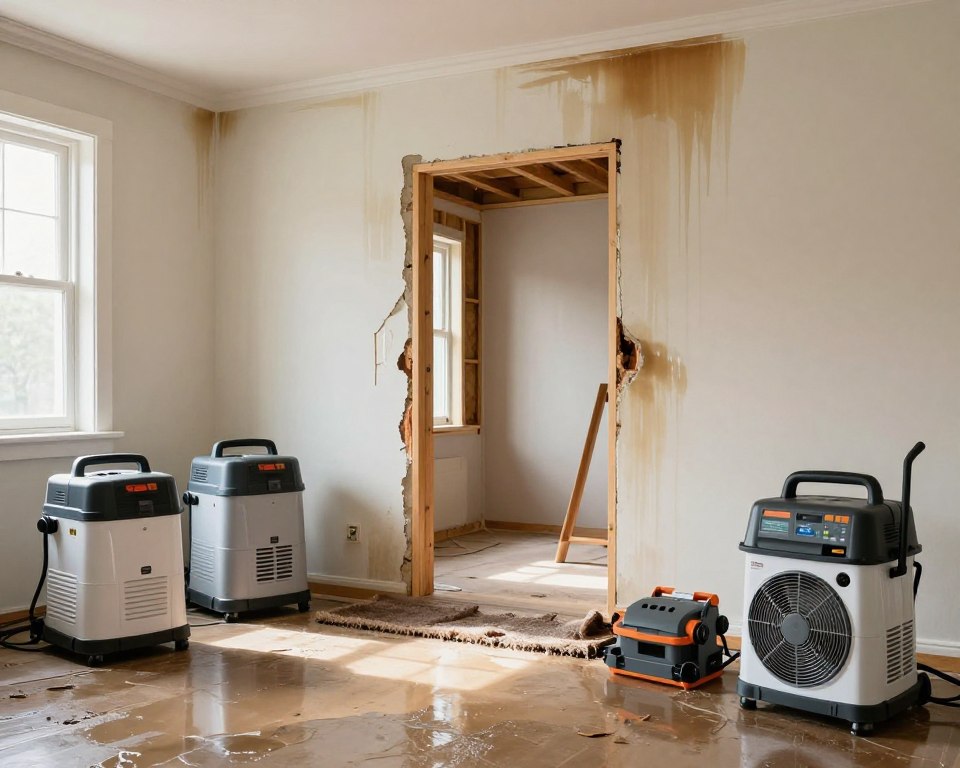
By doing these things, you can lower the chance of water damage in the future. This keeps your property safe and sound.
Conclusion: Making the Right Claims
It’s key to know the difference between flood damage and water damage when dealing with insurance claims. You must figure out what kind of damage you have.
Assessing Damage
When you face flood damage vs water damage, find out where the damage came from. This is important because it affects your insurance and how you fix things.
Coverage Options
It’s important to know what your insurance covers. Most homeowners’ insurance doesn’t cover flood damage. You might need a special flood insurance policy. Check your policies to see what’s included.
Next Steps
After damage happens, act fast. Take photos of the damage, call your insurance, and think about getting help from pros like Versatile Restoration Pros. They can help you make the right claims and fix your property well.