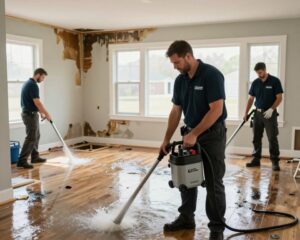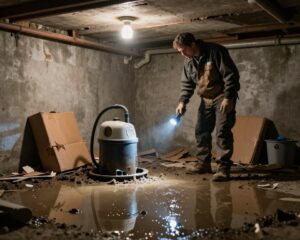
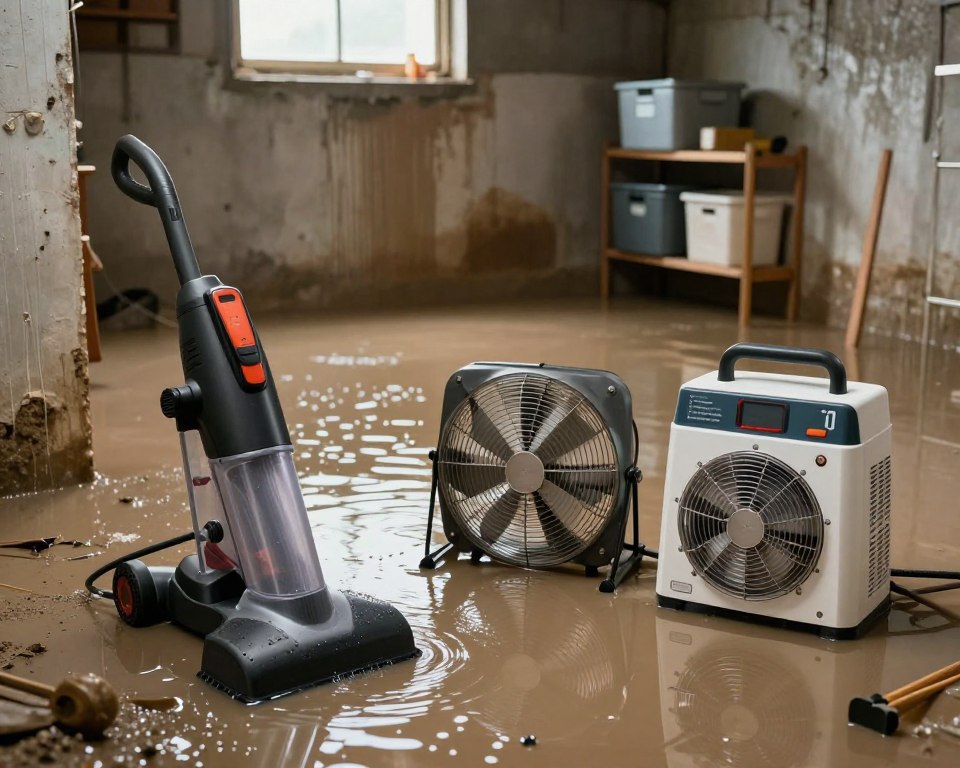
A flooded basement is a nightmare for homeowners. But, knowing what to do can help a lot. Acting fast is key to stop more damage and health risks.
First, make sure you and your family are safe. Turn off the electricity, gas, and water to avoid dangers. Versatile Restoration Pros says safety first in emergencies, offering expert advice.
Key Takeaways
- Act quickly to prevent further damage
- Ensure your safety by turning off electricity, gas, and water supply
- Prioritize safety during emergencies
- Seek expert guidance for effective management
- Minimize long-term damage with the right steps
Assess the Situation
After a basement flood, it’s key to check things out safely. Your safety and your home’s well-being are top priorities.
Safety First: Evaluate Risks
Before you go into the flooded area, make sure to turn off the utilities. Water and electricity are a bad mix. So, turn off the main electrical supply if it’s safe.
- Check if the water level has receded enough to enter safely.
- Be cautious of slippery surfaces and potential structural damage.
- Wear protective gear, including gloves and boots, to minimize exposure to contaminated water.
Check for Electrical Hazards
Electrical dangers are big in a flooded basement. Don’t use electrical appliances or switches in the flooded area until they’re checked and cleaned.
For more detailed steps on handling electrical hazards, you can refer to resources like first steps after a basement flood.
Determine the Source of Water
Knowing where the water came from is crucial. It helps you fix the problem right. Common sources include:
- Heavy rainfall or melting snow that overwhelms the drainage system.
- Leaking or burst pipes within the home.
- Sewer backups due to clogs or overwhelmed municipal systems.
By carefully checking things out, you can make sure you’re safe. And you can also fix your basement right.
Document the Damage
After a basement flood, it’s key to document the damage for insurance. This step is vital for filing a claim. Versatile Restoration Pros stresses the need for detailed documentation for a smooth recovery.
Take Photos for Insurance
Take clear, dated photos of all damaged areas and items. This visual evidence helps your insurance understand the damage. Capture wide shots of rooms and close-ups of damaged items.
List Damaged Items
Make a detailed list of damaged items, including their value and age. This list is crucial for your insurance claim. Note both destroyed items and those that can be repaired.
Keep Receipts of Repairs
Save all receipts for repair and cleanup costs. This includes rental fees, professional services, and materials for drying and restoring. These costs may be covered by your insurance.
| Documentation Type | Description | Importance |
|---|---|---|
| Photos | Visual evidence of damage | High |
| Item List | Detailed inventory of damaged items | High |
| Receipts | Proof of expenses for repairs and cleanup | High |
By carefully documenting the damage, you can make the insurance claim process easier. This can also help reduce stress from a basement flood. For help with basement flooding, consider professional basement waterproofing services.
Remove Water Safely
Removing water from your flooded basement is key to avoid damage and health risks. It’s important to act fast to stop mold and damage to your home’s structure. Versatile Restoration Pros says using the right tools is crucial for safe and effective water removal.
Use a Sump Pump
A sump pump is essential for removing lots of water from your basement. If you have one, make sure it works well and use it to remove water. If not, consider renting or buying one for your emergency basement flood response plan.
Utilize Wet/Dry Vacuums
For smaller water amounts or areas a sump pump can’t reach, wet/dry vacuums work great. They help dry your basement quickly. Choose a wet/dry vacuum that fits the water amount you’re dealing with.
Consider Professional Water Extraction
For severe flooding, getting professionals for water extraction might be needed. They have the tools and know-how to remove water safely and fast. This is a key basement flood cleanup tip for big flooding.
Important things to remember for water removal include:
- Act fast to prevent more damage
- Use the right tools for the job
- Always put safety first: watch out for electrical dangers and make sure there’s good air flow
By following these tips, you can safely remove water from your basement and start the recovery process.
Dry Out the Basement
After removing standing water, drying your basement is key. It helps avoid health risks and structural problems. Drying is a vital step after a flood.
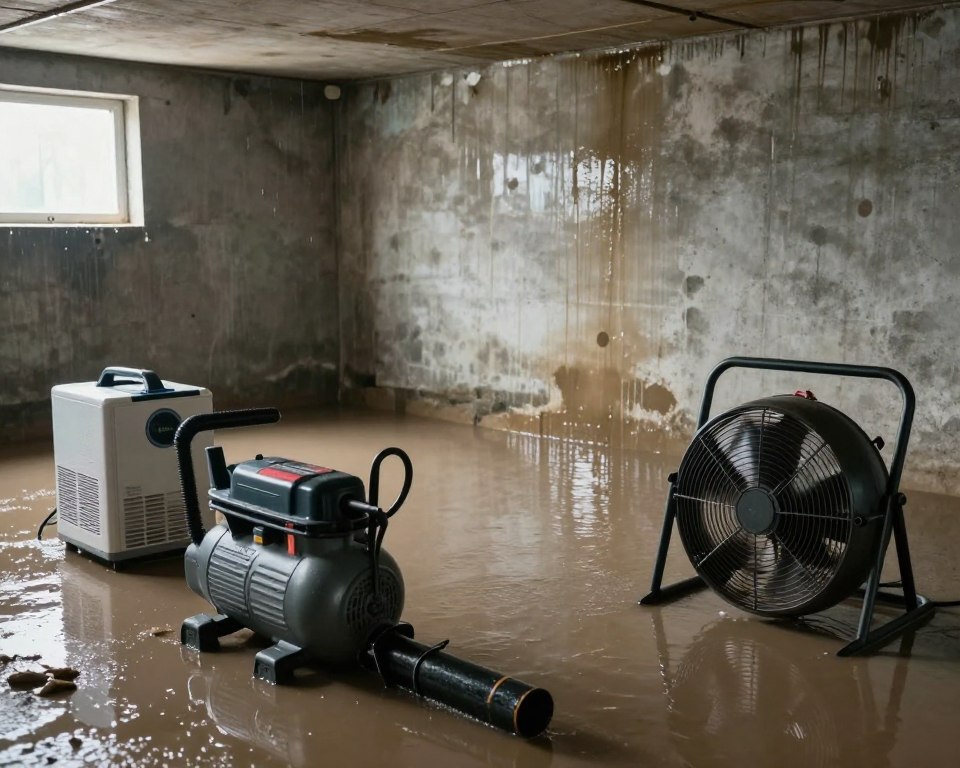
Improve Airflow with Fans
Good airflow is essential for drying your basement. Fans help move air and speed up moisture evaporation. Place fans to circulate air well, especially in moist areas. This lowers humidity and stops mold and mildew.
Dehumidifiers: Importance and Usage
Dehumidifiers are crucial for drying. Use industrial-grade ones for serious water damage. Keep them running well by emptying them often. Versatile Restoration Pros stress dehumidifiers’ role in drying.
Assess and Remove Damaged Materials
Checking and removing damaged items is key. Look for water damage on things and structures. Throw away items that can’t be fixed to avoid more harm and health risks. Dispose of badly damaged or dirty items right.
- Look for water signs in walls, floors, and ceilings.
- Take out wet insulation, drywall, and floors to stop mold.
- Get expert help if you’re not sure about damage.
By doing these steps, you can dry your basement well. Remember, fixing basement water damage takes time and care.
Prevent Mold Growth
Stopping mold growth is very important after your basement floods. Mold can harm your health and damage your home. So, it’s key to act fast.
Clean and Disinfect Affected Areas
Cleaning and disinfecting flooded areas is the first step. Use water and bleach to kill mold spores. Make sure to wear gloves and a mask to protect yourself.
Monitor Humidity Levels
High humidity helps mold grow. Use dehumidifiers to keep humidity below 50%. Check your basement’s humidity often. Professional restoration services can help with this.
Use Mold Inhibitors
Using mold inhibitors can also help. These products stop mold from growing. Always follow the instructions and safety tips from the manufacturer.
As
“Mold prevention is key to avoiding costly repairs and ensuring a healthy living environment.”
By following these steps, you can lower the chance of mold in your basement after a flood.
Contact Your Insurance Company
When your basement floods, call your insurance right away. This is the first step to fix your home. It helps you get the help you need.
Know Your Coverage Policy
It’s important to know what your insurance covers. Look at your policy to see what’s included. Versatile Restoration Pros says talking to your insurance early helps a lot.
File a Claim Promptly
Don’t wait to file a claim after a flood. Waiting can cause problems. Have your damage photos and a list of lost items ready.
Follow Up on the Claim Process
After you file a claim, keep in touch with your insurance. Keep records of all talks. This makes sure your claim goes smoothly.
| Step | Description | Timeline |
|---|---|---|
| Review Policy | Understand what is covered under your insurance policy. | Before filing a claim |
| File a Claim | Notify your insurance company about the flood damage. | As soon as possible |
| Follow Up | Keep track of the claim’s progress. | Ongoing |
Implement Preventative Measures
To stop basement flooding, it’s key to take steps ahead of time. By acting early, you can keep your home safe from water harm. Versatile Restoration Pros says keeping your home’s drainage system in check is smart.
Drainage Improvement Around Your Home
Boosting drainage around your home is vital to stop basement flooding. Make sure your gutters are clean and working right. This keeps water from your home’s base. For more tips, check out Nationwide’s guide.
Installing a Sump Pump
Think about getting a sump pump to move water away from your home’s base. A sump pump is a big help during heavy rain or sudden water rise. Professional basement waterproofing services can find the best fix for you.
Regular Maintenance Tips
Keeping up with maintenance is crucial to avoid basement flooding. Check your sump pump often, make sure downspouts are far from your home, and slope your yard to keep water away. These steps can greatly lower flood risk.
By taking these steps, you make your home safer and more secure. Remember, it’s always smarter to prevent than to fix after a flood.
Seek Professional Help
When your basement floods, knowing when to call for help is key. If you see signs like dampness or water damage, it’s time to get experts.
Restoration Services
Versatile Restoration Pros can offer great tips for cleaning up basement floods. They’ll check the damage, guide you, and do the cleanup and fixing.
Finding the Right Professionals
To find good professionals, search online or ask friends and family. Check their credentials and reviews to make sure they’re trustworthy.
Understanding Costs
The cost of help can change based on the damage and services needed. Always ask for a detailed estimate before hiring. This way, you know what you’re getting and what to expect.