Water damage is a nightmare for homeowners. It can happen suddenly and severely. It might be from a burst pipe, a leaky roof, or storm flooding.
Can you stay in your home while fixing the damage? It’s a valid worry. Water damage is dangerous for your property and health. Companies like Versatile Restoration Pros can help.
Knowing the dangers of water damage is key. It helps you decide what to do next.
Key Takeaways
- Water damage can lead to significant disruptions in your life.
- There are serious health and property risks associated with water damage.
- Professional restoration services can help mitigate these risks.
- Assessing the safety of your home is crucial after water damage.
- Expert help is available to guide you through the restoration process.
Understanding Water Damage and Its Risks
Water damage can harm a home’s structure and the health of its people. It can be small, like a leak, or big, like flooding. Knowing the risks helps homeowners act fast.
What Causes Water Damage?
Many things can cause water damage, like natural disasters or bad maintenance. Leaks from pipes, appliances, and roofs are common.
Common Signs of Water Damage
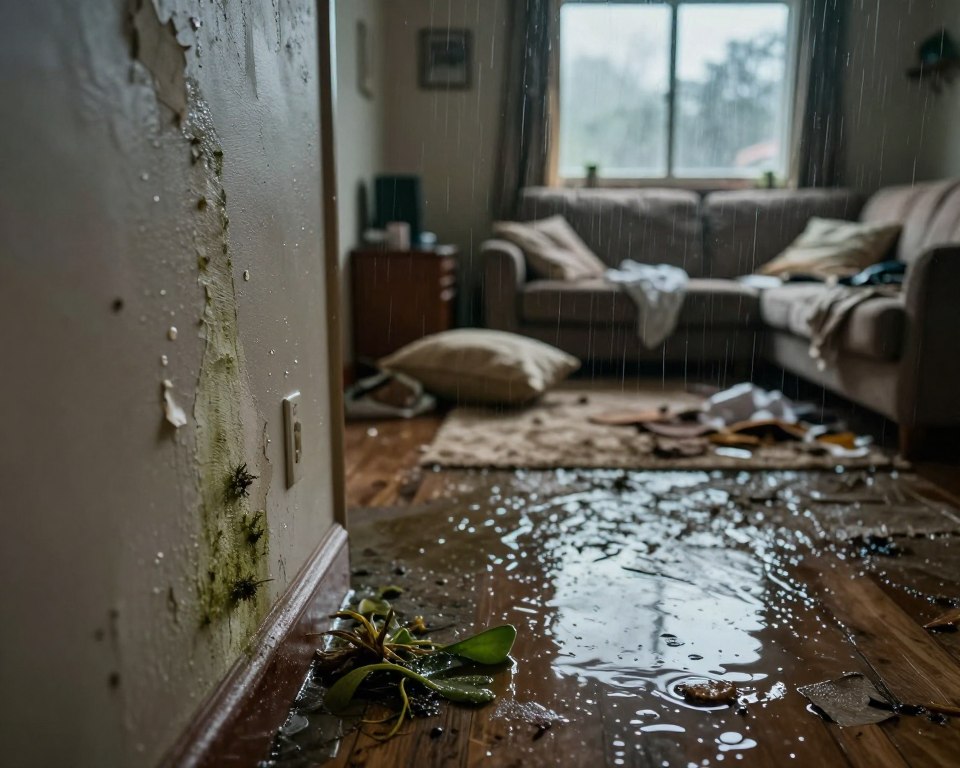
Spotting water damage early is important. Look for water stains, warped floors, and mold or mildew.
Types of Water Damage
Water damage is divided into three types: clean water, gray water, and black water. Clean water comes from leaks, gray water from appliances, and black water from sewage or flooding.
| Type of Water Damage | Source | Contamination Level |
|---|---|---|
| Clean Water | Leaky faucets, pipes | Low |
| Gray Water | Washing machines, sinks | Moderate |
| Black Water | Sewage backups, external flooding | High |
Knowing about these risks helps homeowners stay safe and fix problems quickly.
Health Risks Associated with Water Damage
Water damage in your home is more than just a problem with your structure. It also poses serious health risks. The damage creates a perfect place for harmful germs to grow. These germs can cause many health issues.
Mold Growth and Its Dangers
Mold starts growing quickly after water damage. It can appear in just 24 to 48 hours. Being around mold can cause breathing problems, allergic reactions, and even brain issues. It’s very important to fix water damage fast to stop mold from growing. For more info, check out our detailed guide.
Key health risks from mold include:
- Respiratory problems, such as coughing and sneezing
- Allergic reactions, including skin irritation
- Neurological issues in severe cases
Bacterial Infections
Bacterial infections are a big worry after water damage. The water can have harmful bacteria. This is especially true for people with weak immune systems. It’s very important to clean and disinfect the water damage well to avoid infections.
Steps to prevent bacterial infections include:
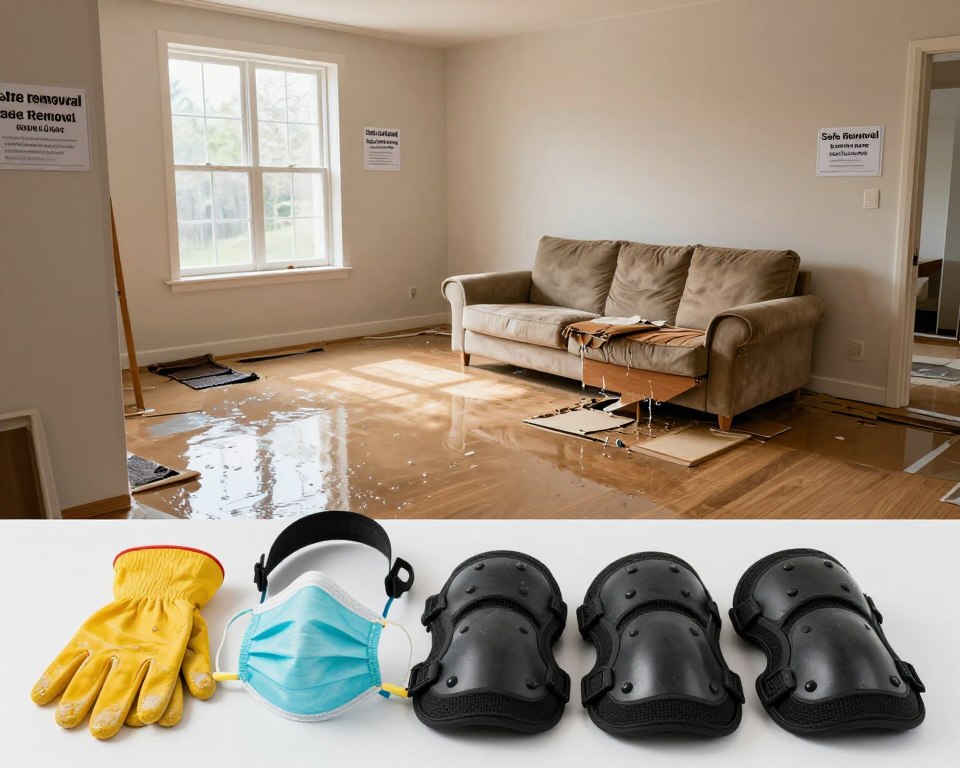
- Wear protective gear when cleaning up
- Make sure the area is fully disinfected
- Stay away from possibly contaminated water
Allergic Reactions
Allergic reactions can happen because of mold, dust, and other things that get airborne during water damage. These reactions can be mild or very serious. They can make you sneeze, itch, and have trouble breathing. Knowing about these reactions can help you stay safe when dealing with water damage.
Common symptoms of allergic reactions include:
- Sneezing and runny nose
- Itchy eyes and skin irritation
- Respiratory issues, such as asthma attacks
Structural Concerns with Water Damage
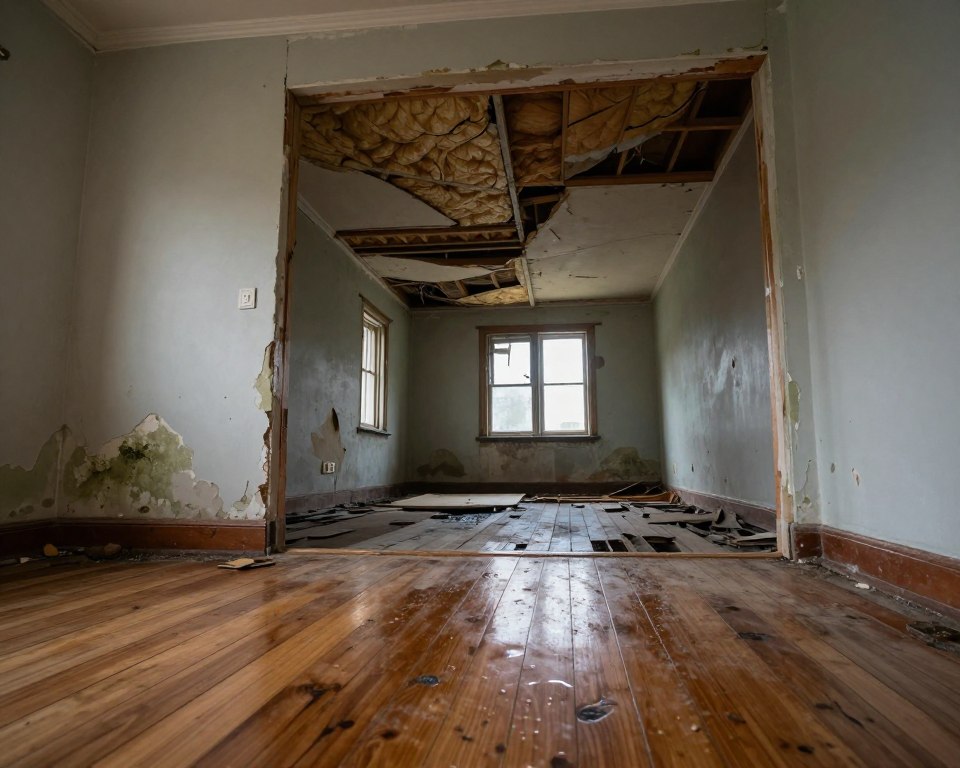
Water damage can cause big problems that might harm your home’s safety. It’s important to check not just what you can see but also what might be hidden. This hidden damage could make your home unsafe.
Compromise of Structural Integrity
Water damage can weaken your home’s structure. This includes beams, floors, and foundations. Weakened structures can cause floors to sag, surfaces to become uneven, and even collapse.
After water damage, it’s key to check your home’s structure. Look for signs like:
- Cracks in walls and ceilings
- Sagging or uneven floors
- Doors and windows that are hard to open or close
Experts like Versatile Restoration Pros can help. They can check the damage and tell you what repairs are needed.
| Signs of Structural Damage | Potential Risks | Recommended Actions |
|---|---|---|
| Cracks in walls and ceilings | Structural instability, potential collapse | Inspect and repair cracks, assess structural integrity |
| Sagging or uneven floors | Tripping hazards, further structural damage | Level floors, reinforce structural elements |
| Difficulty with doors and windows | Potential for structural shift or settlement issues | Adjust or replace doors and windows, assess foundation |
Potential Electrical Hazards
Water and electricity are a bad mix. Water damage can expose wiring, cause short circuits, and lead to electrical shock. It’s important to fix electrical issues fast to avoid accidents.
Immediate Steps to Ensure Electrical Safety:
- Turn off the main electrical supply if you suspect water has reached electrical components.
- Avoid using electrical appliances in flooded areas.
- Have a licensed electrician inspect and repair or replace damaged electrical systems.
Knowing about the dangers of water damage can help keep your home safe. Whether it’s checking the structure or fixing electrical issues, acting fast is crucial. This way, you can avoid the dangers of water damage.
Assessing the Extent of Water Damage
Water damage can be tricky to spot. You need to check carefully to find hidden risks. To see if it’s safe to stay, look for damage signs, structural risks, and health hazards.
DIY Inspection Guidelines
You can start by looking around your home for water damage signs. Check for:
- Discoloration or staining on walls and ceilings
- Warped or buckled flooring
- Musty odors or visible mold growth
Also, check your home’s structure. Look at:
- Beams and joists for signs of weakening or rotting
- Walls for cracks or shifts
- Foundations for any signs of water seepage or damage
Take photos and notes of what you find. This helps with insurance and professional assessments.
When to Call a Professional
While you can start with a DIY check, some cases need a pro. If you see:
- Significant structural damage
- Extensive mold growth
- Uncertainty about the safety of your home’s electrical or gas systems
It’s time to call a professional. Companies like Versatile Restoration Pros can help. They make sure your home is safe and fixed.
| Inspection Area | Signs of Water Damage | Action Required |
|---|---|---|
| Walls and Ceilings | Discoloration, staining | Check for hidden moisture, assess paint and wallpaper condition |
| Flooring | Warping, buckling | Inspect subflooring, consider replacement if severely damaged |
| Structural Elements | Weakening, rotting, cracks | Consult a structural engineer, prioritize repairs |
Safety first is key with water damage. If unsure, always choose caution. Get professional help to make sure your home is safe.
Temporary Solutions for Water-Damaged Homes
Water damage can be really bad. But, there are quick steps you can take to lessen the harm. When you find water damage, it’s key to act fast.
Immediate Steps to Mitigate Damage
The first thing to do is stop the water if you can. Turn off the main water supply to stop more damage. Then, move any valuable or important things to a safe spot. Start taking photos of the damage for insurance.
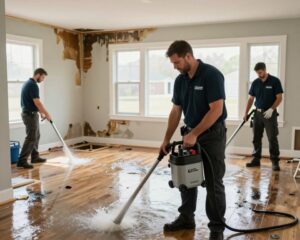
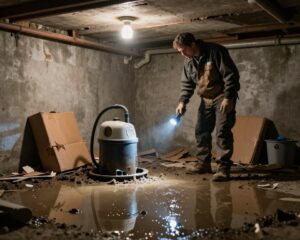
Next, get rid of any standing water fast. Use buckets, mops, or a wet/dry vacuum to do this. The quicker you get rid of the water, the less chance of mold and mildew.
Using Dehumidifiers and Fans
After getting rid of standing water, dry the area well. Dehumidifiers and fans are key for this. Dehumidifiers take out moisture from the air, and fans help air move to dry faster.
Versatile Restoration Pros say to use dehumidifiers and fans in the wet areas. Also, open windows if it’s okay outside. This lets in fresh air and helps dry the area.
By doing these quick steps, you can lessen the damage from water. This makes your home safer until experts can help.
Professional Help and Remediation
Fixing water damage often needs more than quick fixes. It requires professional expertise. Quick actions can help, but full restoration usually needs skilled contractors.
Knowing when to get a professional is key. If you see a lot of water damage, mold, or if your home’s structure is at risk, call the experts. Versatile Restoration Pros can help make your home like new again.
When to Hire a Contractor
You might need a contractor if:
- The water damage is big, covering a lot of your home.
- You see mold or a musty smell that won’t go away.
- The damage has hurt your electrical, plumbing, or structure.
- You’re not sure how to clean up and fix things.
Getting a contractor early can stop more damage and save money. They have the tools and know-how to fix complex problems, making your home safe.
What to Expect from Water Damage Restoration Services
Water damage services start with checking the damage. Then, they:
- Remove standing water and dry the area.
- Clean and disinfect to stop mold.
- Fix or replace damaged parts, like walls, floors, and roofs.
- Make your home like it was before the damage, including painting and new fixtures.
Knowing what water damage services do helps you through the process. Companies like Versatile Restoration Pros can help, making your home safe and comfortable again.
Insurance Coverage for Water Damage
When water damage happens, knowing your insurance policy is crucial. It helps you decide how to fix and restore your home. This knowledge is key to recovering well.
Understanding Homeowners Insurance Policies
Homeowners insurance policies differ, but most cover sudden water damage. This includes burst pipes or broken appliances. It’s important to check your policy for what’s covered and what’s not.
Look for sections on water damage and note any exclusions or limits. Some policies need extra riders for flooding. Knowing this can prevent surprises when you file a claim.
Filing a Claim for Water Damage
Filing a claim for water damage has steps. First, take photos and videos of the damage. This evidence is key for your claim.
Then, call your insurance to start the claim process. Be ready to give details about the damage, like when and why it happened. Your insurance might send someone to check the damage, so cooperate fully.
To make the claims process easier, keep records of all talks with your insurance. Versatile Restoration Pros can help you through this, making sure your claim goes smoothly.
Knowing your insurance and how to file a claim can lessen the financial hit of water damage. It helps protect your home.
Preventing Future Water Damage
Understanding water damage causes is key. Taking steps to prevent it keeps your home safe. Being proactive is crucial.
Routine Maintenance Tips
Regular checks are vital to avoid water damage. Look for leaks under sinks and near appliances. Versatile Restoration Pros suggest checking your water heater and gutters too.
Don’t forget your roof. Check for damaged shingles. Make sure your home slopes away from the foundation. Also, inspect your foundation and seal windows and doors well.
- Inspect plumbing system regularly
- Check water heater condition
- Clean gutters and downspouts
- Maintain roof condition
- Ensure proper grading around the home
Landscape and Drainage Considerations
Your yard’s slope is important. It should slope away from your home. This prevents water buildup. If it rains a lot, think about a French drain.
“Proper landscaping and drainage can significantly reduce the risk of water damage. It’s not just about aesthetics; it’s about protecting your home.” – Water Damage Expert
Choose plants wisely. Some absorb more water. But, trees with invasive roots can harm your foundation. Keep them in check.
| Landscape Feature | Benefit |
|---|---|
| Proper Grading | Directs water away from the home |
| French Drain | Reduces water accumulation |
| Water-Absorbing Plants | Reduces water in the yard |
Making the Decision to Stay or Leave
Water damage can be risky. It’s important to think carefully about your living situation. When your home is damaged by water, deciding to stay or leave is not easy. You must consider many factors that affect your safety and well-being.
Evaluating Your Safety
First, you need to check if it’s safe to stay in a water-damaged home. Look at the damage and possible dangers like mold growth, structural instability, and electrical risks. If you see any of these, act fast to keep yourself and your family safe.
For help with water damage, contact Versatile Restoration Pros. They can guide you and make sure your home is safe.
Factors to Consider Before Deciding
Before deciding to stay or leave, think about a few things. These include:
- The severity of the water damage
- Potential health risks from mold or bacteria
- The structural integrity of your home
- Any repairs or renovations needed
- The cost and possibility of restoration
By looking at these factors and taking safety precautions, you can decide wisely. This will help you know if it’s safe to stay or if you should leave until repairs are done.
Your safety is the most important thing. If you’re not sure about your home’s safety or need help, get assistance from trusted restoration services.
Resources for Homeowners Facing Water Damage
You’ve checked the water damage in your home and need help to fix it. Luckily, many resources are here to support you.
Government and Community Support Services
Government agencies and local groups help homeowners with water damage. For example, FEMA offers help for natural disaster victims. You can also contact the American Red Cross for more support.
Useful Online Resources and Guides
Online, you can find lots of useful info on fixing water damage. Versatile Restoration Pros gives expert advice and services. The Insurance Information Institute also has guides and tutorials on insurance claims and fixing water damage.
With these resources, you can get the help you need to fix your home and move on.