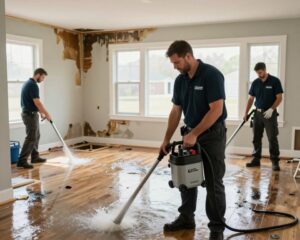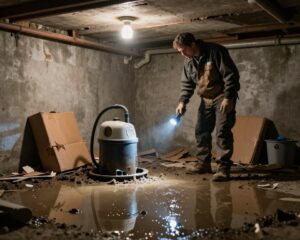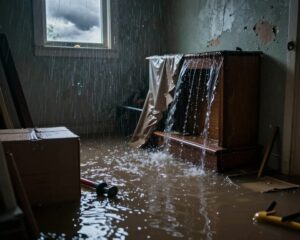
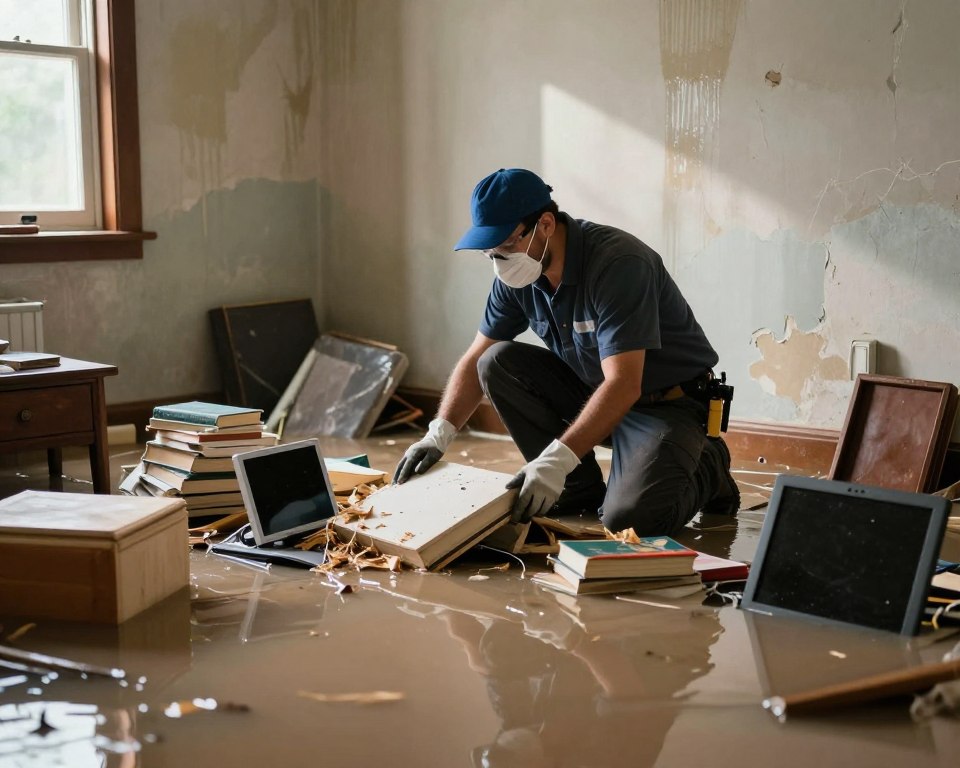
Water damage is a nightmare for homeowners. It makes you wonder what can be saved and what can’t. At Versatile Restoration Pros, we get how stressful and unsure it feels.
Assessing the damage is key to figuring out what’s left. Our team helps homeowners through the restoration process. We guide them in making smart choices about their stuff.
With the right help, you can restore your home and your peace of mind. This article will cover important points to check if your belongings can be saved after water damage.
Key Takeaways
- Understanding the importance of prompt water damage assessment
- Identifying the types of belongings that can be salvaged
- Learning the steps to determine the salvageability of your possessions
- Discovering the role of professionals in the restoration process
- Restoring your home and peace of mind after water damage
Understanding Water Damage Types
Water damage comes in different types. Knowing these types helps figure out the best way to fix things. The type of damage affects how you can save your belongings.
Categories of Water Damage
Water damage is split into three types: clean water, gray water, and black water. Clean water damage is from a clean source, like a leaky pipe. It’s not harmful right away. Gray water has some dirt and can make you sick if you drink it. It comes from things like dishwashers. Black water is the worst kind. It has germs that can make you very sick or even kill you. It comes from sewage or flooding from rivers.
Knowing the type of water damage is key to fixing it right. For example, things touched by black water might need to be thrown away. But, things touched by clean water might be okay with drying and cleaning.
Signs of Water Damage
Finding signs of water damage is important. It helps you know how bad it is and what to do next. Look for warping, color changes, and mold on surfaces. Wooden things might warp or crack. Walls and ceilings might get stains or color changes. Mold is a big problem that needs quick action, as it can harm your health and damage more.
To fix your property right, talk to experts in water damage restoration. They can check everything and help you save your stuff after water damage.
Initial Assessment of Your Belongings
Before you start checking your stuff, make sure you’re safe. Water damage can cause dangers like broken structures, dirty water, and electrical risks.
Safety Precautions to Consider
When looking at your stuff after water damage, wear protective gear. This includes gloves, masks, and waterproof boots. It helps keep you safe from health dangers.
- Make sure the area has good air flow. This helps avoid breathing in mold spores and other bad stuff.
- Stay away from places with standing water or where water meets electrical systems.
- Watch out for damage that could make things fall or hurt you more.
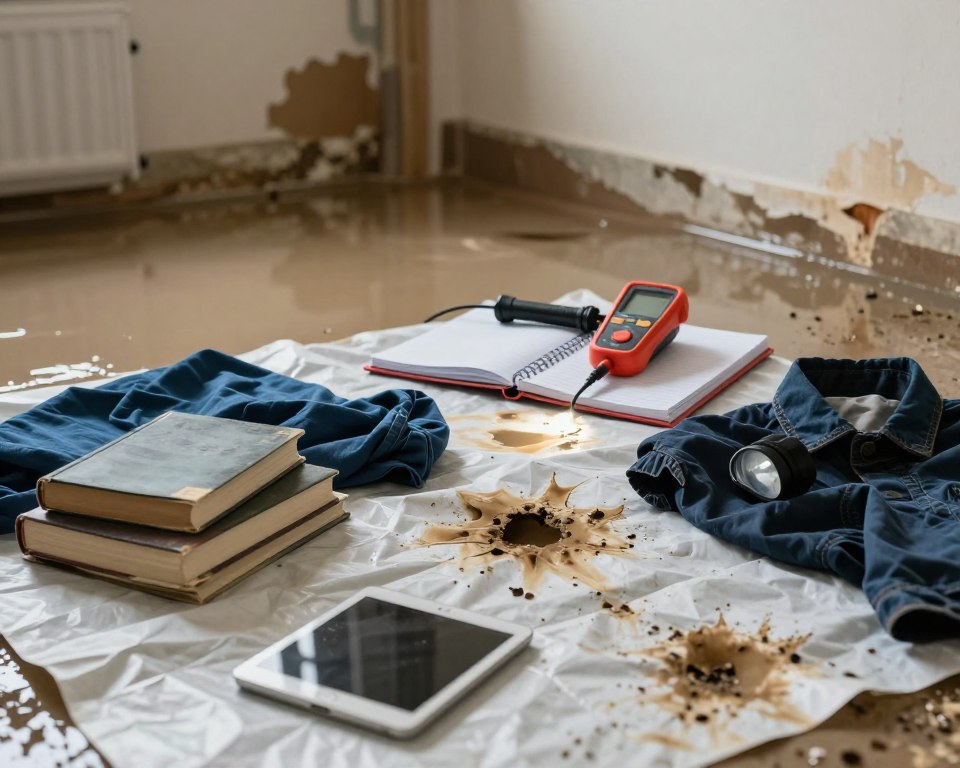
Items You Shouldn’t Touch
Some things should not be touched right away because they might be harmful or could get worse. These include:
- Things that got wet with black water, which might have sewage or other bad stuff.
- Stuff with mold on it, because it can spread spores and make you sick.
- Electronics or appliances that got wet, because they could shock you.
It’s important to spot these items early to avoid more damage or health problems. If you’re not sure about something, get help from a pro.
Evaluating Electronics and Appliances
Water damage can harm your electronics and appliances. It’s important to check them well to see if they can be saved. Always think about your safety and if you can fix them.
Checking for Corrosion and Moisture
Start by looking for corrosion and moisture signs. Look for rust, mineral deposits, or water spots on the outside and inside. Corrosion can shorten the life of electronic parts, so spotting damage early is key.
Check the power cords and plugs for damage or wear. If you see fraying, discoloration, or corrosion, replace them before using the device. Also, look at the inside parts, like circuit boards and wiring, for moisture or corrosion.
When to Consult a Professional
Some items can be fixed with simple DIY steps, but others need a pro. If you’re not sure about the damage or safety, ask a professional water damage restoration expert. They can give a detailed check and suggest the best fix.
For tricky electronics or expensive appliances, getting a pro’s opinion is safest. These experts have the right skills and tools to fix your items safely. This way, you avoid more damage or electrical shock.
Analyzing Fabric and Upholstery
Water damage can leave you wondering about your fabric and upholstery. This includes clothes, curtains, and furniture. The key is to assess them well and act fast.
Assessing Clothing and Fabrics
Start by sorting clothes and fabrics based on their condition and material. Delicate items need more care, while tough ones can handle cleaning better. Look for damage like stains, tears, or color changes.
Key considerations include:
- The type of fabric and its sensitivity to water
- The duration of exposure to water
- The presence of contaminants or mold
Cotton and linen are usually okay, but silk and wool are more delicate. But, mold or contaminants can ruin any fabric. Professional cleaning services can fix items that seem lost.
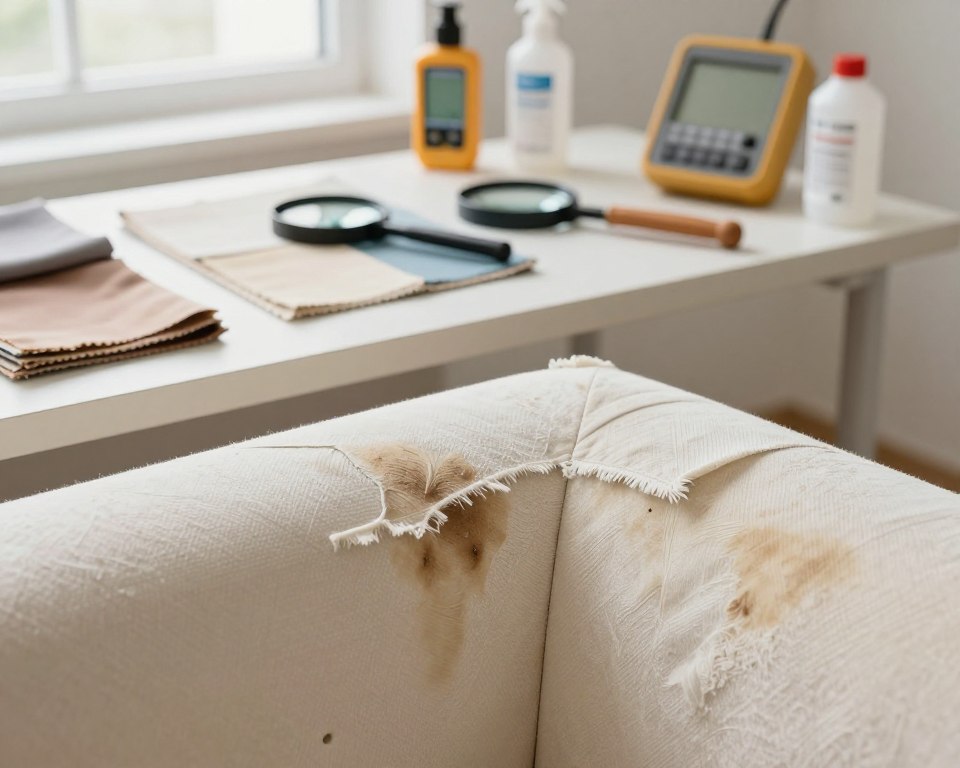
Determining the Fate of Upholstered Furniture
Upholstered furniture is tricky because of its many parts and materials. You need to check the frame, springs, and filling, along with the upholstery.
| Component | Assessment Criteria | Salvage Options |
|---|---|---|
| Frame | Check for warping or rot | Replace if damaged; dry and refinish if possible |
| Upholstery | Inspect for stains, tears, or mold | Clean or reupholster depending on the extent of damage |
| Filling | Check for moisture content and contamination | Dry or replace filling as necessary |
As
“The restoration of upholstered furniture requires a meticulous approach, considering both aesthetic and structural integrity.”
A pro can tell you the best way to fix or replace your furniture. This saves money and hassle.
In short, saving fabric and upholstery after water damage needs careful thought. By checking your items and getting help from pros, you can keep your belongings and fix your home.
Inspecting Important Documents
After water damage, checking important documents is key. These can be photos, financial records, or personal papers. They are often one-of-a-kind and need quick attention.
When you start checking, handle the papers carefully. Wear gloves to keep both you and the papers safe from harm.
How to Dry and Restore Paper Items
Drying paper items gently is important. First, spread out the papers to let air get through. You can lay them flat or hang them to dry. Don’t use heat to dry them faster, as it can damage the paper.
If papers are stuck, try freezing them. This can help until you get help from experts. Watch for mold or mildew, as they can ruin the papers.
| Document Type | Drying Method | Restoration Tips |
|---|---|---|
| Photographs | Air dry or use a freeze-drying method | Handle by the edges, avoid touching the surface |
| Financial Records | Separate and air dry | Consider professional restoration for sensitive documents |
| Personal Papers | Air dry or freeze-dry | Handle with gloves, avoid folding or creasing |
Digital Document Recovery Options
Think about saving your digital documents too. Scanning or taking photos can keep them safe. For damaged digital devices, experts can help.
Digital recovery options include:
- Scanning damaged documents to create digital copies
- Using professional data recovery services for storage devices
- Backing up your digital documents to a secure cloud storage
By doing these things, you can keep your important documents safe, even after water damage.
Common Household Items and Their Salvageability
When water damage happens, knowing what to save is key. It’s about making smart choices about what to keep, fix, or throw away. The decision depends on the item’s material and how badly it’s damaged.
Wood Furniture Guidelines
Wood furniture might be saved after water damage. But, it depends on the wood type and how long it was wet. Solid wood furniture usually has a better chance than engineered wood or particleboard. Look for warping, cracking, or color changes to check its condition.
If the wood was in water for a long time, check for mold and mildew. If you find any, getting help from a pro is important. They can stop more damage and keep you safe.
Evaluating Metal and Plastic Items
Metal items can rust and corrode if they get wet, especially if they’re made of certain metals. To save metal, dry it well and use a rust stopper. Stainless steel and aluminum items are usually better because they don’t rust as easily.
Plastic items can handle water better than many other materials. But, they might get brittle or change color. Check for cracks, breaks, or big color changes to see if it’s worth saving.
For both metal and plastic, cleaning them well is important. It gets rid of dirt and stuff that could make them worse. Cleaning also makes them look better.
When to Seek Professional Help
Knowing when to ask for help is key to fixing water-damaged items. If you’re not sure about the damage or how to save your stuff, it’s time to call experts.
Expert Assistance for Extensive Damage
Signs you need help include a lot of water damage, doubts about your items’ safety, or complex fixes. A certified water damage restoration company, like those from the Institute of Inspection, Cleaning and Restoration Certification, can help.
Insurance Considerations
Water damage means you should think about insurance. A pro can help with claims and make sure you fix your items right. They also know how to save your personal items after water damage.