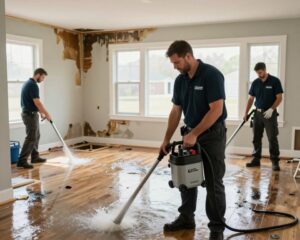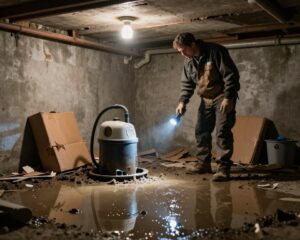
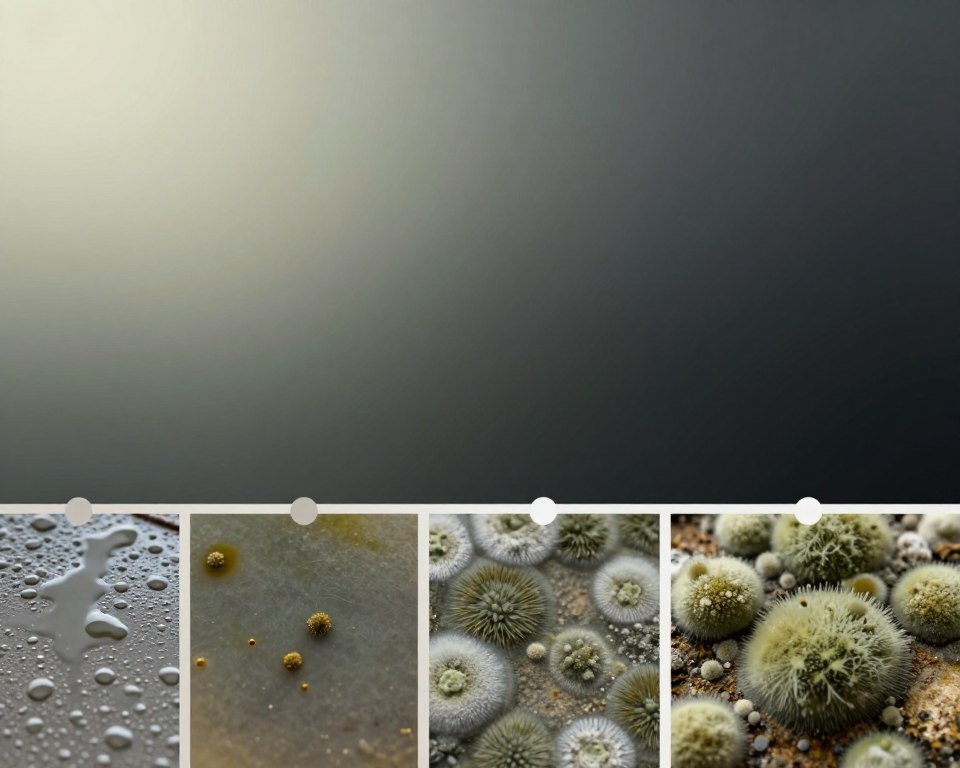
Ever wondered what happens when water gets into your home? It can lead to mold growth. This can start as soon as 24 to 48 hours after water damage.
The EPA and CDC say mold spores can grow and show up in 18 to 21 days. Versatile Restoration Pros stresses the need to act fast after water damage. Knowing the mold growth timeline helps homeowners protect their homes.
Key Takeaways
- Mold can start growing within 24 to 48 hours after water exposure.
- Mold spores can colonize and become apparent within 18 to 21 days.
- Immediate response to water damage is crucial to prevent mold growth.
- Understanding the mold growth timeline helps homeowners take prompt action.
- Versatile Restoration Pros provides expert advice on mold growth and water damage restoration.
Understanding Mold Growth
It’s important to know about mold growth after water damage. Mold can grow quickly after water damage. Knowing what affects its growth helps prevent it.
What is Mold?
Mold is a fungus that grows in damp places. It makes spores that are everywhere. When spores land on moist surfaces, they start to grow and eat organic materials.
Mold grows with moisture, the right temperature, and nutrients. The mold type depends on the environment and the surface it grows on.
Types of Mold Commonly Found
Many types of mold appear in homes after water damage. These include:
- Aspergillus: Often found on food and in air conditioning systems.
- Stachybotrys: Known for its toxic spores, often associated with water-damaged building materials.
- Cladosporium: Can be found on various surfaces, including fabrics and carpets.
- Ulocladium: Typically found on water-damaged materials and can indicate a significant moisture issue.
| Type of Mold | Common Locations | Characteristics |
|---|---|---|
| Aspergillus | Food, air conditioning systems | Can cause allergic reactions |
| Stachybotrys | Water-damaged building materials | Produces toxic spores |
| Cladosporium | Fabrics, carpets | Can grow on a variety of surfaces |
| Ulocladium | Water-damaged materials | Indicates significant moisture issues |
Conditions That Promote Mold Growth
Mold grows in high humidity, warm temperatures, and with organic materials. When these conditions are met, mold grows fast.
To stop mold, control humidity, dry areas quickly, and remove damaged materials. Knowing these conditions helps prevent mold after water damage.
The Water Damage Timeline
Acting fast after water damage is key to stop mold. Knowing the timeline helps prevent mold. It’s important to act quickly to avoid mold.
Initial Response to Water Damage
Quick action is vital after water damage. You need to stop the water, dry the area, and remove standing water. Use fans and dehumidifiers to dry it out.
Immediate action helps a lot. Versatile Restoration Pros says acting fast is crucial to avoid long-term damage.
The 24-48 Hour Window
The first 24 to 48 hours are very important. Mold can start to grow if the area is not dried well. Mold growth after moisture exposure is common if drying is slow.
| Timeframe | Actions to Take | Mold Growth Risk |
|---|---|---|
| 0-24 hours | Stop water source, start drying | Low |
| 24-48 hours | Continue drying, remove wet materials | Moderate |
| 48+ hours | Inspect for mold, consider professional help | High |
When to Look for Mold
After 24-48 hours, check for mold. Typical mold growth after water damage shows as spots or a musty smell. Look for:
- Visible mold or mildew
- Water stains or discoloration
- A musty or damp smell
Knowing the timeline and acting fast can prevent mold. This makes your space safer and healthier.
Factors Influencing Mold Growth Rate
Mold growth rate is affected by many things. Knowing these can help you stop mold after water damage.
Humidity Levels
Humidity is key for mold growth. High humidity is perfect for mold. It’s important to watch and control humidity at home, especially after water damage.
Optimal Humidity Levels: Keeping humidity below 50% can help stop mold growth.
Temperature Conditions
Temperature also matters for mold growth. Most molds grow best in temperatures between 40°F and 80°F (4°C and 27°C).
Avoiding extreme temperatures helps control mold growth. But, it’s also about keeping a steady temperature to avoid moisture buildup.
Type of Material Affected
The type of material affected by water damage also affects mold growth. Porous materials like drywall, carpet, and wood are more likely to grow mold. Non-porous materials are less likely.
| Material Type | Mold Growth Susceptibility |
|---|---|
| Drywall | High |
| Carpet | High |
| Wood | Moderate |
| Metal | Low |
Knowing what affects mold growth rate helps you prevent mold after water damage.
Identifying Mold Growth
Knowing the signs of mold growth is important. It helps you act fast to avoid health risks. Mold shows itself in many ways. It’s key to know these signs early.
Signs of Mold in Your Home
You can spot mold by looking for certain signs. Common signs include:
- Visible mold growth on walls, ceilings, and floors.
- A musty smell that won’t go away.
- Health problems like allergies or breathing issues.
Visible mold growth is a clear sign. But, mold can hide in spots like behind walls or under floors.
Color Variations and What They Mean
Mold comes in different colors. Each color might mean a different type and risk. For example:
- Black mold is very dangerous and grows in damp places.
- Green or white mold might be less harmful but still needs attention.
Mold remediation experts say, “The color of mold can hint at its type and risks. But, it’s not a sure sign.”
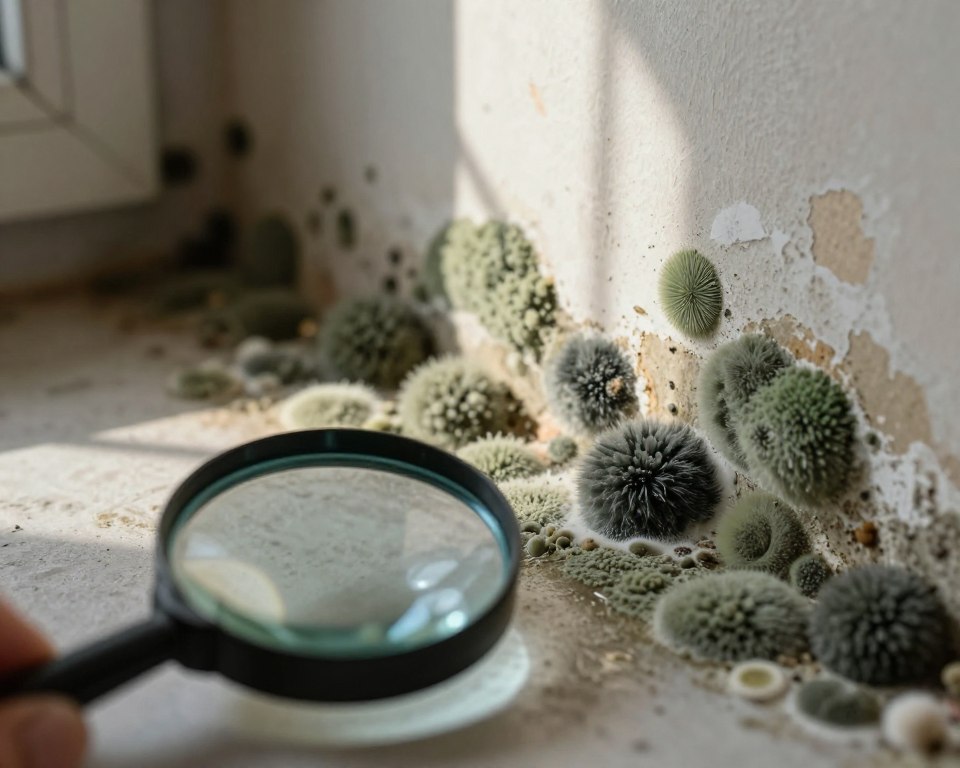
How to Conduct a Mold Inspection
To check for mold, look at moist areas like basements, bathrooms, and kitchens. Look for water damage, condensation, or leaks.
To inspect well:
- Use a flashlight to light up dark spots.
- Watch for musty smells, which mean hidden mold.
- Check around windows, doors, and plumbing.
Early detection stops mold from spreading and health problems. Regular checks help find mold before it’s a big issue.
Health Risks Associated with Mold
It’s important to know about mold health risks. Mold can cause mild allergies to serious breathing problems. Knowing these risks helps you act fast if you see mold at home.
Common Health Symptoms
Mold can cause different health problems. These include respiratory issues like coughing and sneezing. It can also cause skin irritation and allergies. For some, mold can make asthma worse.
If you have these symptoms and think there’s mold, you should check it out. Getting it fixed is key.
Sensitive Groups at Risk
Some people are more at risk from mold. This includes individuals with weakened immune systems. Also, children and the elderly are more likely to get sick from mold.
These groups need to stay away from mold. It’s important for their health.
Long-Term Health Effects
Long-term mold exposure can cause serious health issues. These include chronic respiratory diseases and other serious problems. It’s crucial to deal with mold quickly.
Knowing the long-term risks helps you protect your health and your family’s.
Prevention Strategies
Preventing mold growth after water damage is key. By taking proactive steps, you can keep your home safe and healthy.
Immediate Steps After Water Damage
Act fast to stop mold growth. Do it within 24 to 48 hours to lower the risk. First, find and fix the water source. Then, use wet vacuums or buckets to remove water.
Make sure to ventilate well. Open windows and use fans to dry faster. This step is vital for preventing mold.
Best Practices for Drying Out Areas
Drying areas well is crucial. Use industrial-grade drying equipment if needed. Dry all surfaces, especially carpets, upholstery, and drywall.
Keep an eye on humidity. Use dehumidifiers to keep it under 50%. This stops mold spores from growing.
Using Mold-Resistant Products
Use mold-resistant products for extra protection. They fight moisture and prevent mold.
Choose mold-resistant paint, drywall, and materials for repairs. They work well in wet areas like basements or bathrooms.
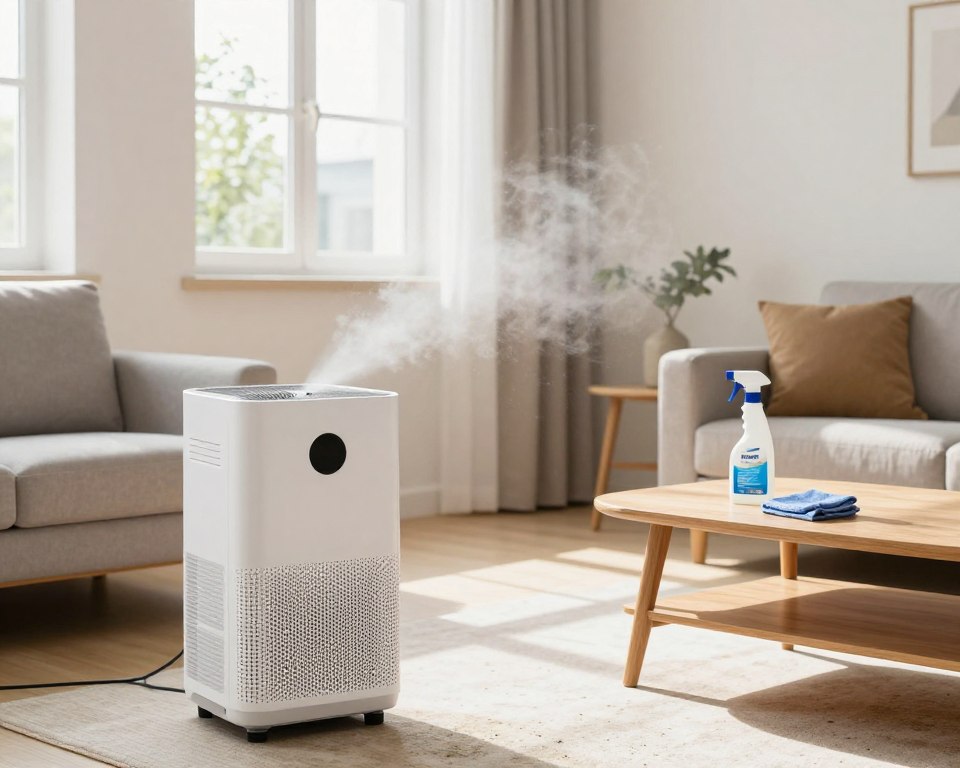
Follow these steps to lower mold risk in your home. Quick action and thorough drying are key.
When to Call a Professional
After water damage, it’s key to know when to get expert help for mold. Mold grows fast and can cause health problems and expensive fixes if not fixed quickly.
Signs You Need Expert Help
If you see extensive mold growth or are unsure how to fix it, call a pro. Also, if you or your family has health concerns that might be from mold, get expert help right away.
- Visible mold growth that’s widespread or in hard-to-reach areas
- Uncertainty about the extent of mold contamination
- Health symptoms that may be linked to mold exposure
What to Expect from a Mold Remediation Service
A pro like Versatile Restoration Pros will first check how much mold there is and where the water came from. They’ll then seal off the area to stop more mold and remove it with special tools and methods.
Key services to expect include:
- Thorough assessment and inspection
- Containment and removal of mold
- Drying and dehumidifying the affected area
- Restoration of damaged structures or materials
Cost Considerations for Professional Help
The cost to hire a pro for mold removal varies. It depends on how much mold there is, the size of the area, and how hard it is to fix. On average, it costs between $500 to $6,000 or more.
Things that affect the price include:
- The extent and severity of mold contamination
- The size of the area affected by mold
- The type of materials affected and the complexity of removal
Even though it might seem expensive, getting professional help is worth it. It makes your home safer and healthier in the long run.
Conclusion: Taking Action Against Mold
It’s important to know how mold grows after water damage. Mold can start growing in 24 to 48 hours after water damage. This makes it crucial to act fast.
Key Takeaways
Mold growth depends on humidity, temperature, and the material affected. Spotting mold early, like musty smells or visible growth, helps take action quickly. It’s key to dry everything well and control moisture to stop mold after a flood or water damage.
Next Steps
If you have water damage, act fast to stop mold. For big damage or lots of mold, get help from a trusted service like Versatile Restoration Pros. Learn more about mold removal and water damage fixing on property-damage-restoration.10web.cloud.
Knowing how mold grows after water damage helps a lot. Visit purehomeus.com for more info. Quick action can keep your home and health safe from mold.