When disaster hits and water damages your place, you might wonder when can I return to normal? Knowing how long it takes to dry out water-damaged areas is key for everyone.
The drying time changes a lot. It depends on how bad the damage is and what kind of water it is. Versatile Restoration Pros is great at fixing water damage. They can help you understand the drying process.
How long it takes to dry a wet property can vary. It might be a few days or a few weeks. Knowing this helps you plan how to fix things.
Key Takeaways
- The drying time for water-damaged areas varies based on the extent of the damage.
- The type of water involved affects the drying process.
- Expert guidance is available from professionals like Versatile Restoration Pros.
- The drying process can take anywhere from a few days to a few weeks.
- Understanding the drying timeframe is crucial for planning the restoration process.
Understanding Water Damage
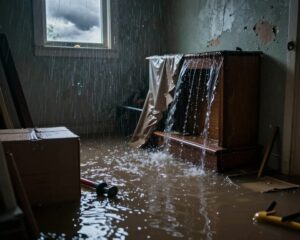
Knowing about water damage is key for homeowners and experts. It can happen from heavy rain, flash floods, or plumbing problems. The IICRC says the type of water affects the damage and how long it takes to fix.
Types of Water Damage
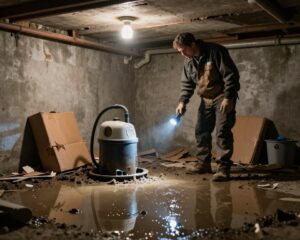
Water damage is split into types based on the water source. Clean water is safe and comes from a clean source. Gray water has some dirt and can make you sick if you drink it. Black water is the worst and has harmful germs.
“Knowing the water type is key for fixing damage,” says Versatile Restoration Pros. “Our team uses the latest tools and methods to fix water damage fast.”
Common Sources of Water Damage
Here are some common causes of water damage:
- Leaking or burst pipes
- Appliance malfunctions
- Heavy rainfall or flooding
- Sewer backups
Finding where the water damage comes from is important. It helps stop more damage and fixes it quickly. Versatile Restoration Pros says quick action and expert checks are vital to reduce damage.
The Drying Process for Water-Damaged Areas
Drying out water-damaged areas needs a good plan. First, we check the damage to figure out how to fix it.
Initial Assessments
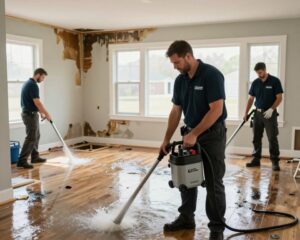
To know how long it takes to dry a place, we must first see how bad the damage is. Versatile Restoration Pros uses special tools like moisture meters. These tools help us see how well we’re doing.
We check moisture in things like drywall, wood, and concrete. This tells us how bad the damage is and what we need to do to dry it.
Equipment Used for Drying
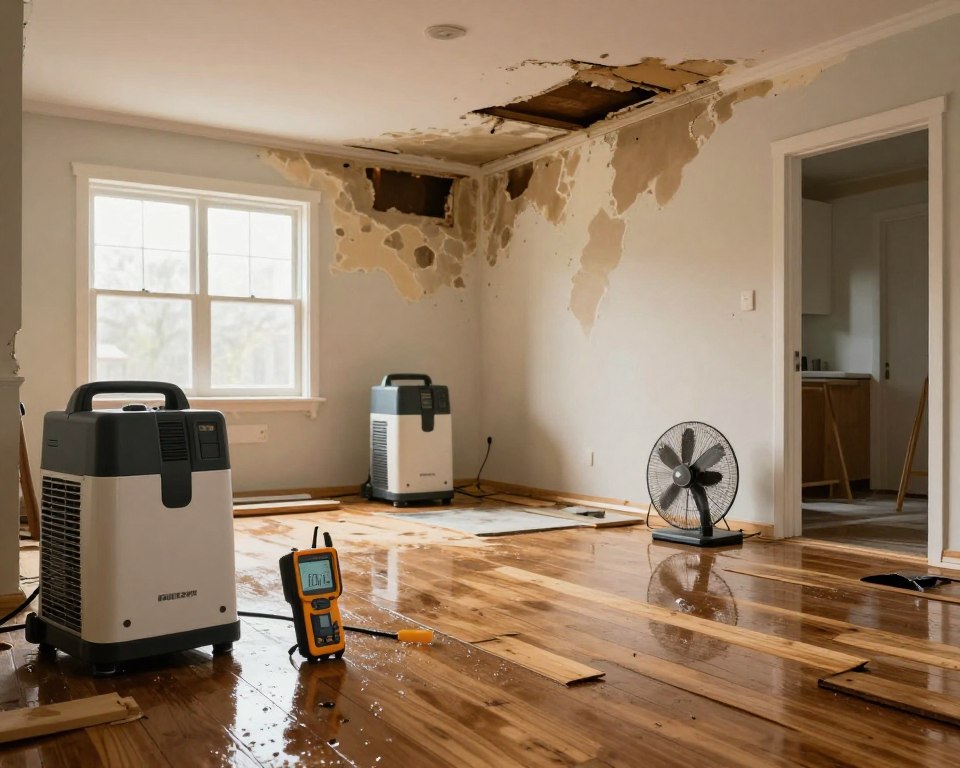
The right tools are key for drying fast. Some important tools are:
- Moisture detection meters to check moisture levels.
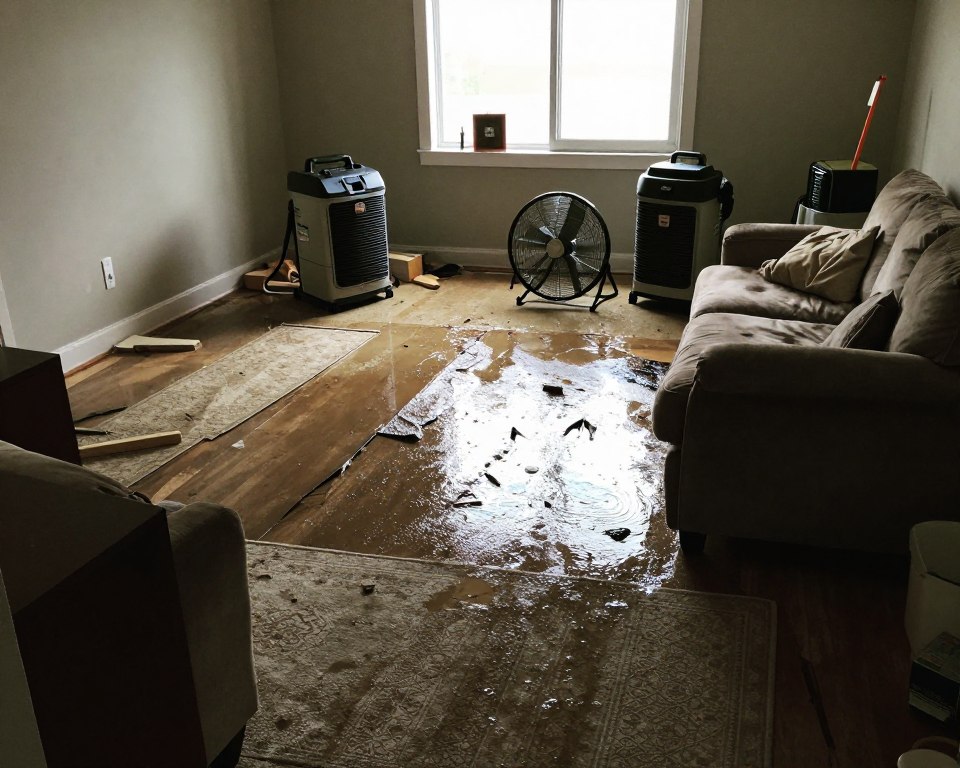
- Industrial fans to move air and help dry things faster.
- Dehumidifiers to take out extra moisture from the air.
- Air scrubbers to clean the air and get rid of bad stuff.
Using the right tools and methods helps dry things well and stops more damage. Versatile Restoration Pros uses many tools to make sure water-damaged areas are dry and fixed.
Factors Affecting Drying Time
When dealing with water damage, knowing what affects drying time is key. The time it takes to dry water-damaged areas depends on several important factors. These factors need to be carefully assessed.
Type of Water Involved
The type of water in a property greatly affects drying time. Category 1 water is the cleanest and dries faster than Category 3 water. Category 3 water is the most dangerous and needs more drying and cleaning.
Knowing the water damage category is vital. It shows how contaminated the water is. This affects how it’s dried and restored. Versatile Restoration Pros takes this into account when fixing water damage.
Material and Structure of Affected Areas
The materials affected by water damage also matter. Porous materials like drywall and carpet soak up more water. This means they take longer to dry. Non-porous materials like metal and glass dry quicker.
Weather Conditions
Weather conditions, like temperature and humidity, also play a big role. Warmer temperatures and lower humidity help dry things faster. Cooler temperatures and higher humidity slow down the drying process.
Knowing these factors helps plan the best drying strategy. By looking at the water type, affected materials, and weather, experts can better guess drying times.
Typical Drying Times
Knowing how long it takes to dry water damage helps plan the fix. Versatile Restoration Pros offers expert advice on drying areas fast and safely. This ensures your property is back to normal quickly.
General Timeframes by Water Category
The type of water damage affects drying time. Minor leaks or spills with clean water dry in a day or two with good air flow. Larger leaks take three to five days to dry. Flooding or dirty water damage can take seven days or more to fully dry.
Knowing these times helps you plan better. For fast drying for water damage, using the right tools and methods is key. Experts can help with this.
Example Scenarios
Here are a few examples of drying times for different water damage:
- Clean water leak from a pipe: 24 to 48 hours to dry with proper ventilation.
- Gray water damage from a washing machine: 3 to 5 days to dry, depending on the extent of the damage.
- Black water flooding from a sewage backup: 7 to 10 days or more to dry, due to the high level of contamination.
These examples show why tips for drying water-damaged areas are crucial. Getting a professional assessment is key to the best drying plan.
Understanding drying times and what affects them helps manage the repair. This way, you can avoid more problems.
The Importance of Professional Help
Getting help fast is key when dealing with water damage. It can feel overwhelming and hard to know what to do.
Companies like Versatile Restoration Pros can guide you. They make sure the drying is done right, especially with big or dirty water damage.
When to Call Experts
Call pros if you have:
- Big water damage in many parts of your home.
- Water that could make you sick.
- Don’t know how to dry and fix your home.
Professional drying services use special tools and methods. They dry your home fast, avoiding more damage and mold.
Benefits of Professional Drying Services
Hiring pros for water damage has many benefits:
- Expert Assessment: They figure out the damage and make a plan to fix it.
- Advanced Equipment: They use special tools to dry areas fast and well.
- Prevention of Further Damage: Quick action and the right methods stop more harm, like mold and structural problems.
Getting professional help means your home gets fixed fast. This cuts down on lost time and keeps your home safe from lasting damage.
DIY Drying Techniques
DIY drying methods can help a lot with water damage. While pros are needed for big or dirty water damage, you can dry small areas yourself.
Steps for Homeowners
To dry water damage, start by improving air flow. Open windows and doors for fresh air. This helps water evaporate faster.
Use fans to move the air around. This makes drying faster.
Removing wet items is key. Move wet furniture, carpets, and personal items to a dry place. This helps dry them and protects your home.
Dehumidifiers are great for drying. They take moisture out of the air, cutting drying time in half. Experts say they’re a must-have for drying.
“The key to successful DIY drying techniques is prompt action and thoroughness. The sooner you start drying out the affected area, the less chance there is for mold and further damage.”
Tools Needed for Effective Drying
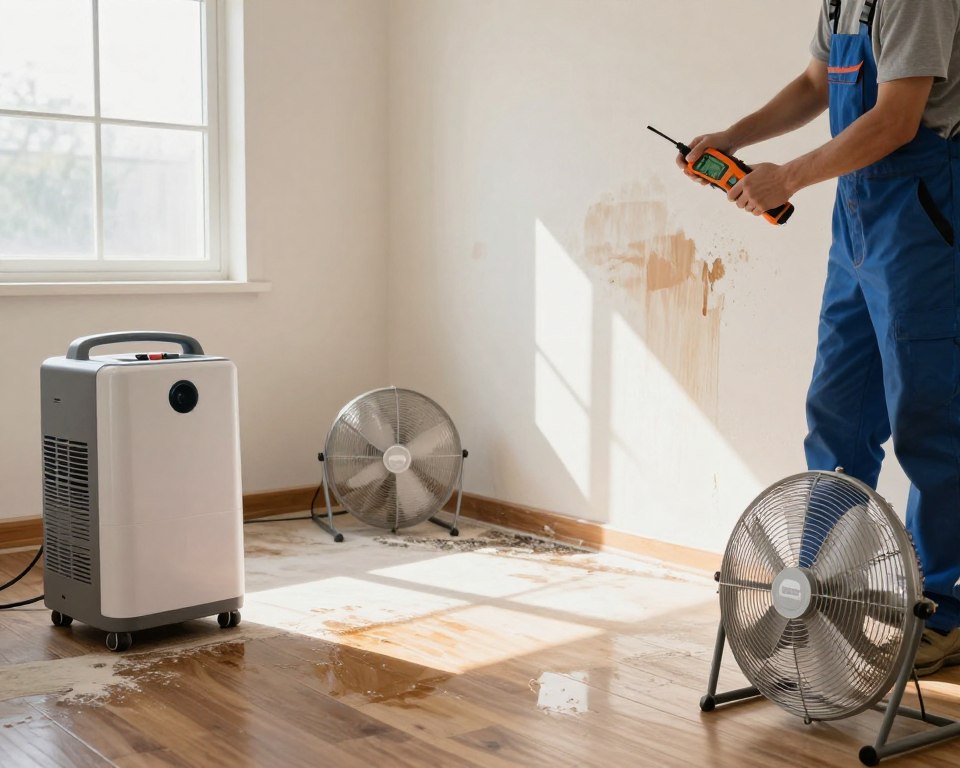
The right tools are crucial for drying. You’ll need:
- Industrial fans for air circulation
- Dehumidifiers to remove moisture
- Moisture meters to check for remaining dampness
- Wet/dry vacuums for water removal
| Tool | Purpose | Benefit |
|---|---|---|
| Industrial Fans | Air Circulation | Speeds up drying |
| Dehumidifiers | Moisture Removal | Reduces drying time |
| Moisture Meters | Dampness Check | Ensures thorough drying |
For more detailed guidance on drying out water damage and understanding the restoration time, you can visit Versatile Restoration Pros, who offer expert advice and services.
Signs of Incomplete Drying
It’s very important to dry water-damaged areas completely. This stops mold from growing and prevents other problems. If drying is not done right, it can harm your home and your health.
Mold Growth
Mold growth is a big risk if areas are not dried well. Moisture lets mold grow easily. Mold can start growing within 24 to 48 hours after water damage, so drying quickly is key.
Experts like Versatile Restoration Pros say it’s important to watch for mold. Mold not only damages things but also can make you sick. It can cause breathing problems and allergies.
| Time Frame | Mold Growth Risk |
|---|---|
| 24-48 hours | High |
| 48-72 hours | Very High |
Unpleasant Odors
Bad smells can also mean drying is not done. Water damage that’s not fixed can cause musty smells. These smells are not just annoying; they can mean mold or mildew is there.
“The presence of persistent odors after water damage is a clear sign that the area has not been properly dried,”
says a leading restoration expert. It’s important to fix these smells fast to avoid more damage.
Long-Term Effects of Water Damage
Water damage can harm your home’s structure and health. It’s not just the immediate damage that worries you. The long-term effects can be big if not fixed right away.
Structural Integrity Concerns
Moisture from water damage weakens your home’s parts like drywall, wood, and foundation. This can cause expensive repairs if not fixed fast. It’s key to act quickly to avoid these problems.
Some structural worries include:
- Warped or rotting wood
- Cracked or weakened foundations
- Detached or sagging ceilings
Health Risks Associated with Damp Environments
Damp places from water damage can grow mold and mildew. This is bad for your health. It’s very important to fix water damage quickly to avoid these health dangers.
Health risks from damp places are:
- Respiratory issues from mold
- Allergic reactions to mold and mildew
- Higher chance of infections in weak people
Knowing the long-term effects of water damage helps. Taking early action to fix it keeps your home safe and your family healthy.
Prevention Tips for Water Damage
Learning how to prevent water damage can save you a lot of trouble. It can save you time, money, and stress. By being proactive, you can greatly lower the chance of water damage to your home.
Regular Maintenance Guidelines
Regular maintenance is crucial to avoid water damage. You should check your plumbing, appliances, and roof often. Look for leaks, rust, or damaged shingles. It’s also important to keep your gutters and downspouts clean and working right.
Versatile Restoration Pros say homeowners should also watch their water heaters and appliances. Look for any leaks or signs of trouble. Catching problems early can save you a lot of hassle.
Emergency Preparedness Strategies
Being ready for emergencies can really help prevent water damage. Have a plan for sudden leaks or floods. Know where your main water shut-off valve is and make sure you can get to it fast.
Water damage experts say a good emergency plan is key. It should include backing up important documents and having the right tools ready. Having items like sandbags, towels, and a portable pump can be very helpful in emergencies.
- Regularly check your property’s foundation and walls for cracks or water signs.
- Make sure your home’s drainage system works well to avoid water buildup.
- Think about getting a water detection system to alert you to leaks.
By following these tips and staying alert, you can keep your property safe from water damage. Remember, it’s always better to prevent water damage than to fix it.
When to Consider Repairs or Renovations
Deciding to repair or renovate after water damage depends on several things. These include how much damage there is and what materials are affected. It’s important to carefully look at the situation to make good choices.
Evaluating Damage Extent
To figure out what to do, first check how much water damage there is. Look at the damaged areas closely for signs of harm to the structure, mold, and damage to things you own. Versatile Restoration Pros can help a lot during this step.
Key areas to inspect include:
- Structural elements like walls, floors, and ceilings
- Electrical systems and appliances
- Insulation and drywall
- Personal belongings and furniture
Repair vs. Replacement Decisions
After checking the damage, decide if you should fix or replace things. Sometimes, fast drying for water damage can save materials. But if the damage is too much, it might be cheaper to replace them.
| Material | Repair or Replace | Considerations |
|---|---|---|
| Drywall | Replace | Porous nature makes it prone to mold |
| Hardwood Flooring | Repair or Replace | Depends on the extent of warping or water absorption |
| Electrical Appliances | Replace | Safety concerns due to water exposure |
Creating a efficient water damage restoration timeline means acting fast but also thinking carefully. Knowing what to do and getting help when needed helps make the right choices. This way, you can fix things well.
Conclusion
It’s important to understand how to dry water-damaged areas. This helps get your property back to normal. The drying time varies based on several factors.
These include the type of water, the materials, and the weather.
Key Takeaways
The drying time can be different, from a few days to weeks. Getting professional help is often needed for thorough drying. This prevents long-term damage.
For small damage, DIY methods can work. But, watch for signs like mold and bad smells. These show drying isn’t complete.
Take Action
To avoid water damage, keep your property in good shape. Be ready for emergencies. If you face water damage, get help from professionals.
Acting fast helps prevent more damage. This ensures your property is fixed safely and well.