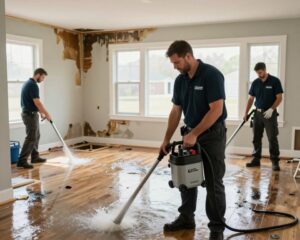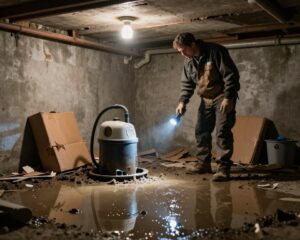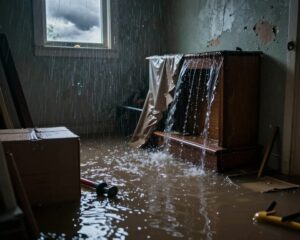
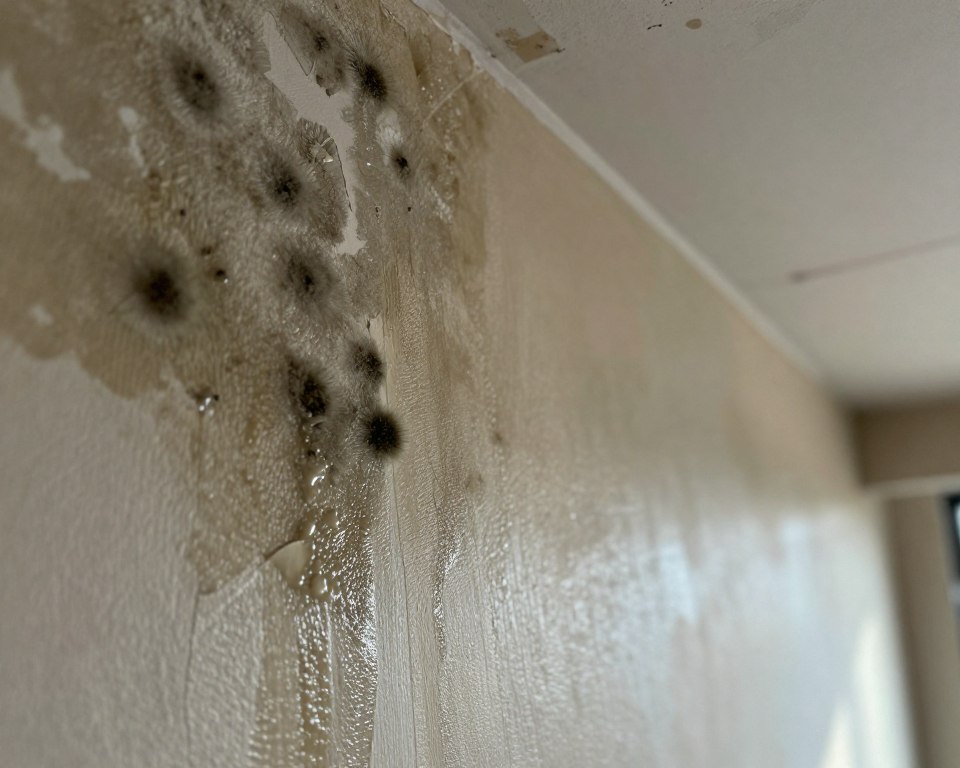
Water damage can lead to many problems, with mold growth being a big concern. If not fixed, mold can harm your health and damage your home. The hard part is spotting the early signs of water damage that might cause mold.
It’s important to know the mold growth indicators to act fast. Versatile Restoration Pros helps with water damage and mold issues. They work to make your home safe and healthy again. Knowing how water damage and mold are connected is key to a better living space.
Key Takeaways
- Early detection of water damage is critical to preventing mold growth.
- Visible signs of mold can indicate underlying water damage issues.
- Professional assessment is often necessary for accurate diagnosis.
- Versatile Restoration Pros offers comprehensive solutions for water damage and mold remediation.
- Prompt action can significantly reduce the risk of health issues and property damage.
Understanding the Connection Between Water Damage and Mold
Water damage makes a great place for mold to grow. This can harm your health and damage your home. It can come from leaks, floods, or too much humidity. If you don’t fix it fast, problems can get worse.
What Causes Mold Growth?
Mold needs three things to grow: moisture, something to eat, and no air. Water damage adds too much moisture to your home.
Key Factors Contributing to Mold Growth:
- Too much moisture from water damage or high humidity
- Stuff like wood, drywall, or fabric to eat
- Not enough air to move around
How Water Damage Creates Ideal Conditions for Mold
Water damage soaks your home’s materials, making a perfect spot for mold. If you don’t dry or replace these materials, mold will likely grow.
Versatile Restoration Pros helps fix water damage and stop mold. They use special tools and methods to dry areas well, lowering mold risk.
| Condition | Mold Growth Risk | Prevention Measure |
|---|---|---|
| Excess Moisture | High | Prompt drying and ventilation |
| Organic Material Presence | High | Removal or treatment of affected materials |
| Lack of Airflow | High | Improving ventilation |
Knowing how water damage and mold are connected helps homeowners act early. Regular checks and quick action when water damage happens are key to stopping mold.
Signs of Water Damage in Your Home
Water damage shows up in many ways. Knowing the signs helps you act fast. Look for certain signs when checking your home for water damage.
Visible Water Stains on Walls and Ceilings
Water stains on walls and ceilings are a common sign. These stains look like discolored patches or rings. They show water has leaked before or is leaking now. It’s important to find out where the stain came from to stop more damage.
Peeling Paint or Wallpaper
Water damage can make paint or wallpaper peel, bubble, or warp. This means water has gotten behind the surface. Fixing peeling paint or wallpaper quickly can stop bigger problems.
Musty Odors
A musty smell in your home might mean water damage and mold. These smells come from moisture in hidden spots, like behind walls or under floors. Finding and fixing the source of musty smells is key to a healthy home.
Some places to check for water damage include:
- Attics and crawl spaces for leaks or condensation
- Bathrooms and kitchens for water stains or warping around fixtures
- Basements for dampness or water intrusion
Regular checks can help you spot and fix water damage early. This can prevent bigger problems.
Identifying Mold in Your Home
Finding mold early is key to a healthy home. Mold can grow anywhere and is not just a cosmetic issue. It can also harm your health. So, it’s important to know the common types of mold and where to find them.
Common Types of Household Mold
Many types of mold live in homes. Aspergillus, Cladosporium, and Penicillium are common. Aspergillus can cause allergies and breathing problems. Cladosporium can make allergies and asthma worse. Penicillium is famous for penicillin but can also cause allergies.
Experts say, “Mold grows on almost anything, as long as it’s wet.”
“The key to controlling mold is controlling moisture.”
This shows why fixing water damage fast is important to stop mold.
Where to Look for Mold Growth
Mold likes moist places in your home. Look in bathrooms, kitchens, and basements. But, it can also hide in behind walls, under flooring, and in HVAC systems. Check these spots well, especially after water damage.
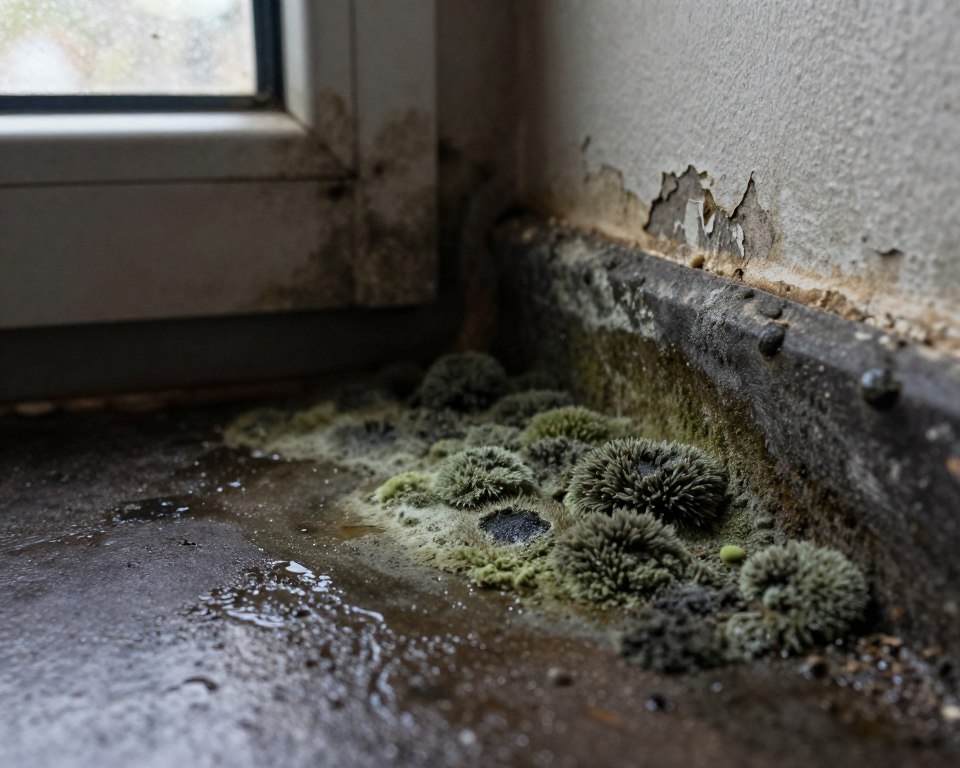
When searching for mold, watch for black spots or patches. Musty smells can also mean mold is there, even if you can’t see it. Keeping air moving and controlling humidity can stop mold.
Potential Health Risks of Mold Exposure
Mold in your home can be very dangerous. It can harm you and your family. To learn more about water damage and mold, visit our website.
Allergic Reactions and Respiratory Issues
Mold can cause allergies. Symptoms include sneezing, runny nose, and itchy eyes. It can also make breathing hard for those with allergies.
People with asthma or lung problems are at higher risk. Mold can make their breathing worse.
Common symptoms of mold exposure include:
- Sneezing and runny nose
- Coughing and itchy eyes
- Respiratory issues, such as wheezing or shortness of breath
Long-term Health Effects
Long-term mold exposure can cause serious health problems. Some molds, like Stachybotrys chartarum, can lead to chronic inflammation. This might even cause neurological issues.
Long-term health effects may include:
- Chronic respiratory problems
- Neurological issues, such as memory loss or headaches
- Increased sensitivity to mold and other allergens
Knowing the dangers of mold is key to a healthy home. If you see mold, act fast to fix it. This will help keep your home safe.
How to Inspect for Mold Growth
Checking your home for mold is key to keeping it safe and healthy. Mold can hide in secret spots. So, a detailed check is vital for catching it early.
Tools You Need for a Professional Grade Inspection
To do a top-notch mold check, you need special tools. Experts use infrared cameras to spot temperature changes. These changes often mean there’s moisture, which can lead to mold.
Moisture meters are also crucial. They find spots with too much moisture.
Don’t forget a flashlight and a magnifying glass. They help you see into tight spots and look closely for mold signs.
When to Call in Professionals
Starting with a DIY check is fine, but sometimes you need pros. If you think mold covers a big area or need special gear, get experts like Versatile Restoration Pros.
Experts can find mold, see how big the problem is, and suggest how to fix it. They make sure the check is complete and any mold is found and fixed fast.
It’s very important to call pros if you think mold is near HVAC systems or in crawl spaces. Handling it wrong can make things worse.
Steps to Take After Water Damage
Acting fast after water damage is key to protect your home. Water damage can cause mold if not fixed quickly.
Immediate Actions to Mitigate Damage
The first steps after water damage are very important. You should:
- Turn off the water source if it’s still active to prevent more damage.
- Remove standing water using wet vacuums or buckets.
- Move furniture and valuables to a dry area to prevent further damage.
- Open windows and doors for ventilation, if the outside humidity is lower than inside.
For more detailed guidance on inspecting your home for mold after water damage, you can refer to resources like ServiceMaster Restore.
Importance of Proper Drying Techniques
Proper drying is key to stop mold growth. The right equipment and techniques are very important.
- Use fans and dehumidifiers to speed up drying. Fans circulate air, and dehumidifiers remove moisture.
- Monitor humidity levels to keep the environment dry.
- Dry completely all affected areas, including hidden spaces like under flooring and behind walls.
By taking these steps, you can greatly reduce mold growth and other water damage issues. Remember, acting quickly and being thorough is the key.
Mold Remediation Processes
Understanding mold remediation is key, whether you do it yourself or hire a pro. It’s important to act fast to stop damage and health problems.
DIY vs. Professional Remediation
Choosing between DIY and professional mold removal depends on several things. These include how much mold there is and if you can safely remove it. DIY is cheaper for small mold spots but needs careful safety steps.
Professional services are better for big or hard mold problems. They have the tools and know-how to remove mold well. They also help prevent it from coming back.
| Aspect | DIY Remediation | Professional Remediation |
|---|---|---|
| Cost | Generally lower upfront costs | Higher costs, but comprehensive service |
| Safety | Requires personal protective equipment and safety knowledge | Professionals are trained and equipped for safe removal |
| Effectiveness | Dependent on individual’s ability to identify and remove all mold | Professionals can identify and remediate mold more effectively |
Ensuring Safe Removal of Mold
It’s crucial to remove mold safely, no matter if you do it yourself or hire someone. This means sealing off the area, wearing the right gear, and cleaning and disinfecting well.
For more tips on preventing and fixing mold, check out Goblusky’s mold remediation guide. It has lots of useful info.
Prevention Techniques to Avoid Mold Growth
To stop mold from growing, you need to control your home’s environment. Knowing what causes mold helps you prevent it.
Maintaining Proper Humidity Levels
Keeping the right humidity in your home is key. Mold loves humid places, especially when it’s over 50% humidity. Use a dehumidifier in damp areas like basements and bathrooms.
Also, make sure your home breathes well. Use exhaust fans in kitchens and bathrooms. And, keep your ventilation system working right and well-maintained.
Regular Inspections and Maintenance
Checking your home often is important. Look for water damage or leaks. Fix any problems fast. Check under sinks, around windows, and near appliances.
Keeping your home in good shape also helps. Clean and work gutters to stop water from gathering near your foundation. Also, cut back trees or shrubs close to your home to avoid water damage from leaves and branches.
- Regularly inspect your home for signs of water damage or leaks.
- Maintain your home’s gutters and downspouts.
- Ensure proper ventilation in your home, especially in areas prone to moisture.
Insurance and Water Damage
If you’re dealing with water damage, check your insurance policy. It’s key to know what’s covered. The right insurance can help a lot with the costs.
Coverage Options for Water Damage
Most homeowner policies cover sudden water damage. This includes burst pipes or appliance failures. But, coverage can differ a lot by policy.
- Sudden vs. Gradual Damage: Insurance covers sudden damage but not gradual damage from neglect.
- Policy Limits: Know your policy’s limits, especially for water damage claims.
- Deductibles: Remember your deductible. It’s what you pay first when you file a claim.
How to File a Claim
Filing a claim for water damage has steps. Being ready can make it easier.
- Document the Damage: Take photos and videos of the damage for your records.
- Contact Your Insurance Provider: Tell your insurer right away to start the claims process.
- Provide Detailed Information: Be ready to give a detailed account of the incident and what you’ve done since.
Keep records of talks with your insurance company. Follow up if you don’t hear back in a few days.
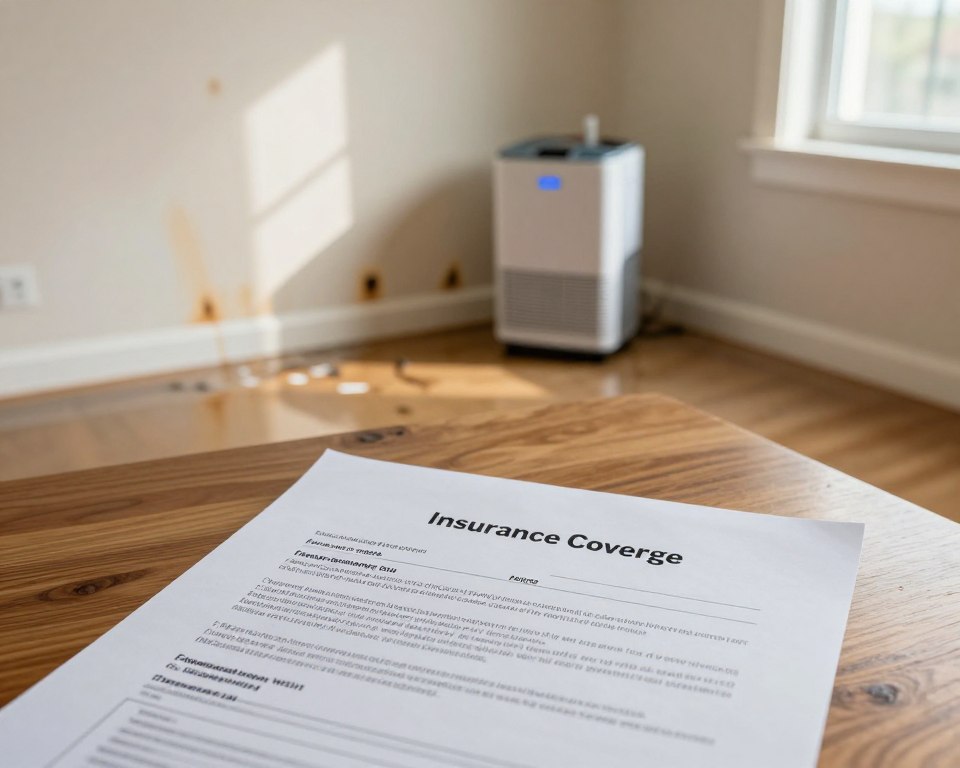
Knowing your insurance and how to file a claim can lessen stress from water damage. By understanding your policy and the claims process, you can protect yourself financially.
Final Thoughts on Mold and Water Damage
It’s very important to deal with mold and water damage to keep your home safe. We talked about how water damage can lead to mold. Knowing the signs and acting fast can stop more damage.
Maintaining a Safe and Healthy Home
To keep your home safe, you need to be proactive. Regular checks and upkeep can spot problems early. Keeping humidity levels right and fixing water damage fast are key to stopping mold.
The Role of Vigilance
Being watchful and acting early is key to avoiding mold and water damage risks. Knowing the signs of water damage and mold can help you act fast. This way, you can protect your home and health, saving money and keeping your living space healthy.