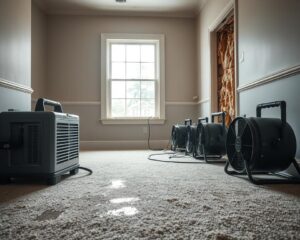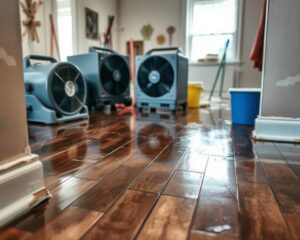
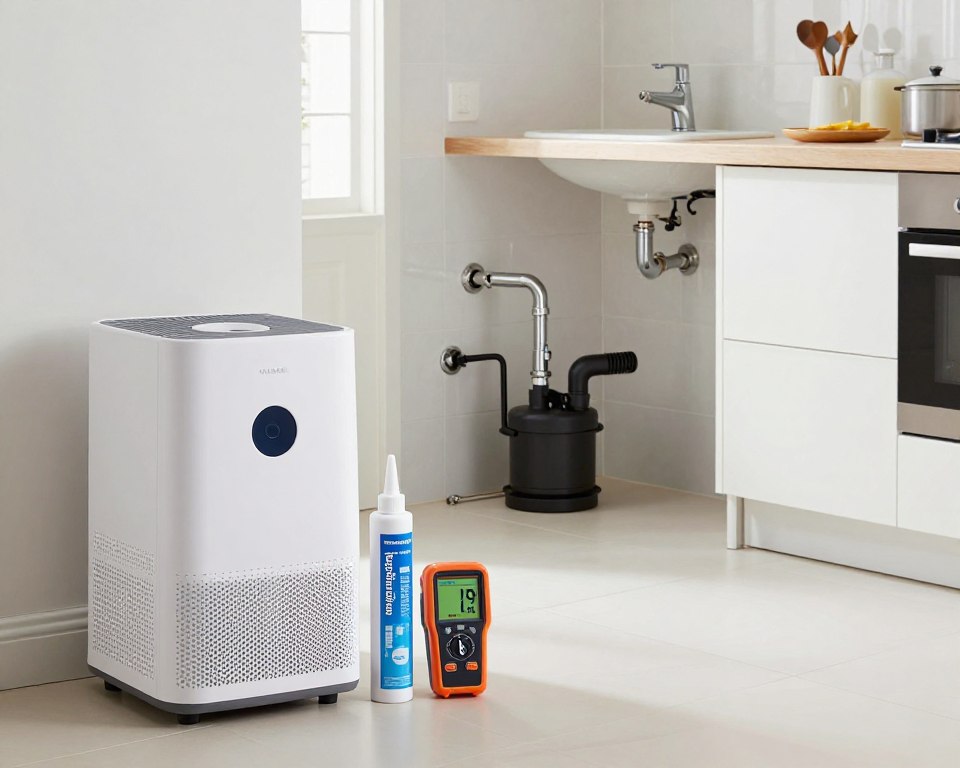
Water damage is a big problem for homeowners. It can cause a lot of money loss and stress. You might wonder how to keep your home safe from water damage.
Understanding the risks is key to protecting your home. Plumbing problems, bad weather, and foundation issues can all lead to water damage. Versatile Restoration Pros can help you prevent water damage and keep your property safe.
Key Takeaways
- Identify common causes of water damage in your home
- Understand the importance of regular maintenance
- Learn simple steps to prevent water damage
- Discover how Versatile Restoration Pros can help
- Take proactive measures to protect your property
Understand Common Causes of Water Damage
Knowing why water damage happens is the first step to protect your home. Water damage comes from many sources. Knowing these can help you prevent it. Versatile Restoration Pros says it’s key to understand these causes to lower risks.
Plumbing Issues
Plumbing problems are a big reason for water damage at home. Leaks, burst pipes, and clogged drains can cause a lot of damage if not fixed fast. Check your plumbing often to catch problems early.
Common plumbing issues include:
- Leaky faucets and toilets
- Burst or frozen pipes
- Clogged drains and sewer backups
Weather-Related Events
Heavy rain, storms, and floods can also damage homes. Make sure your home is ready for these events to lessen the risk.
Preparation is key:
- Check your roof for damage or missing shingles
- Keep gutters and downspouts clear for good drainage
- Think about getting a sump pump or backup sump pump
Foundation Problems
Foundation issues, like cracks, can let water into your home and cause damage. Finding and fixing these problems early is very important.
Here’s a comparison of common foundation issues and their potential for water damage:
| Foundation Issue | Potential for Water Damage |
|---|---|
| Cracks in walls | High |
| Cracks in floors | High |
| Settlement issues | Moderate |
By knowing the common causes of water damage, you can act to protect your home. Regular upkeep, checks, and being ready for weather events are important steps to avoid water damage.
Inspect and Maintain Your Roof Regularly
To keep your home safe from water damage, check and care for your roof often. A good roof protects you from leaks and costly fixes. Versatile Restoration Pros says keeping your roof in shape is key to preventing water damage in your home.
Look for Missing or Damaged Shingles
Checking your shingles for damage or missing parts is important. Bad or missing shingles let water in. Replacing them keeps your roof strong and stops leaks.
Clean Out Gutters and Downspouts
Clogged gutters and downspouts can let water into your home. Cleaning them helps water flow away. This is a big part of keeping your home safe from water damage.
Check for Proper Insulation
Insulation in your attic keeps your home warm and stops ice dams. Ice dams can let water under your shingles. Good insulation keeps your home safe and dry.
By following these tips, you can lower the chance of water damage. Regular care not only keeps your home safe but also makes your roof last longer. This saves you money and gives you peace of mind.
Ensure Proper Drainage Around Your Property
Good property drainage is key to keeping your home safe from water damage. It’s important to make sure water drains well to protect your home.
There are many ways to ensure good drainage. You can grade your yard, install French drains, or use sump pumps. These methods help keep water away from your home’s foundation.
Grading Your Yard
Grading your yard to slope away from your home is a basic step. It means changing the yard’s shape so water flows away from your house.
According to
“The key to preventing water damage is to ensure that your yard is properly graded to direct water away from your home.” –
A well-graded yard can greatly lower the chance of water getting into your home. It’s wise to get a pro to check and adjust your yard’s slope if needed.
Installing French Drains
French drains are a smart way to handle water around your property. They are trenches filled with gravel and a pipe that moves water away.
French drains offer many benefits:
- They keep water away from your home’s foundation.
- They help prevent water from gathering in your yard.
- They stop erosion and keep the soil stable.
With French drains, you can protect your home from water damage and keep your yard stable.
Using Sump Pumps
Sump pumps are vital for homes with basements or crawl spaces. They collect water in a pit and then push it away from your home.
| Type of Sump Pump | Description | Benefits |
|---|---|---|
| Submersible Sump Pump | Operates underwater, quieter, and more compact | Ideal for smaller spaces, less noise pollution |
| Pedestal Sump Pump | Easier to maintain and repair, more visible | Longer lifespan, easier to service |
Sump pumps offer peace of mind and protect your home from water damage. It’s important to keep them in good working order.
By using these methods, you can greatly reduce the risk of water damage. Versatile Restoration Pros suggests a complete plan for preventing water damage. This includes good drainage, regular upkeep, and quick repairs.
Protect Your Home’s Interior
Keeping your home’s interior safe from water damage needs a few steps. You must use several strategies to keep your home dry and safe.
Waterproof Basements and Crawl Spaces
Waterproofing your basement and crawl spaces is very important. You can do this by applying a waterproof coating to walls and floors. Also, make sure the drainage system works well and seal any cracks or gaps. Versatile Restoration Pros suggests a detailed check to find any weak spots.
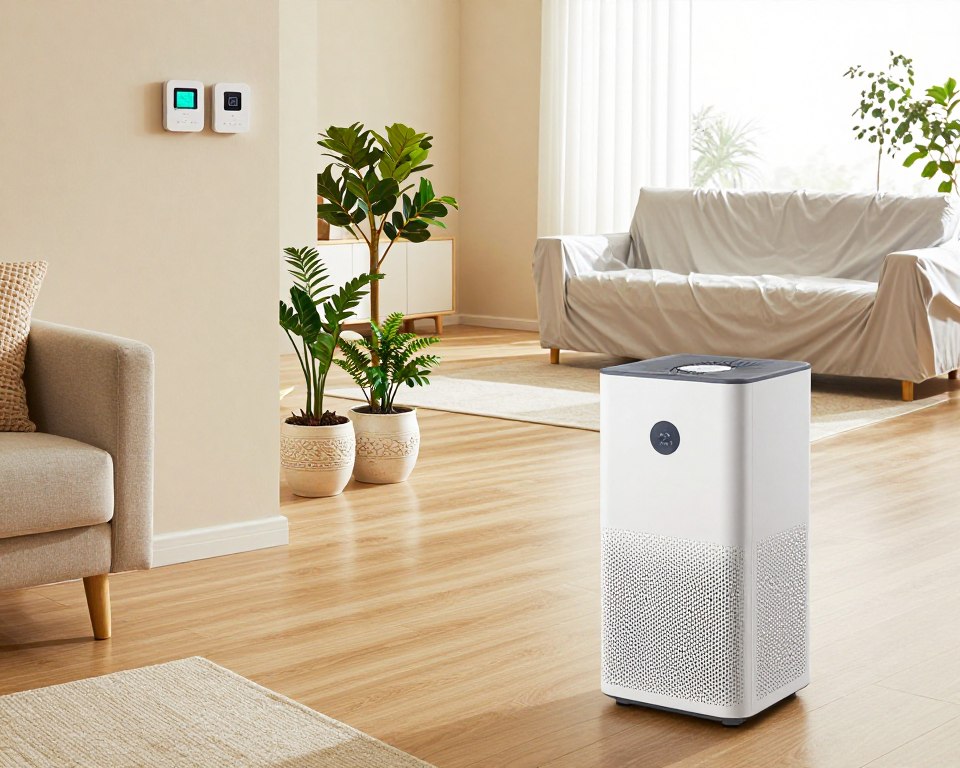
Install Water Leak Detectors
Putting in water leak detectors is a smart move. These devices can warn you of leaks early, so you can fix them before they cause big damage. Put them near things that might leak, like water heaters and dishwashers.
Use Water-Resistant Materials
Choosing water-resistant materials for your home’s inside can also help. Use things like ceramic tiles, waterproof laminate flooring, and water-resistant drywall in wet areas. Proper installation is key for these materials to work right.
By following these steps, you can lower the chance of water damage inside your home. Regular upkeep and checks are also important. They help spot and fix problems before they get worse.
Regularly Check and Maintain Plumbing Systems
To stop unexpected water damage, check your plumbing often. A good plumbing system keeps your home safe. Catching problems early can save a lot of trouble.
Inspect Hoses and Connections
Checking hoses and connections is easy. Look for cracks, frays, or rust. Fix or replace any damaged parts right away. For tips on plumbing care, see Clean Stream Plumbing.
Schedule Professional Inspections
Get experts to check your plumbing regularly. They can spot leaks and suggest fixes. This can avoid expensive repairs later. Versatile Restoration Pros do thorough inspections.
Know Your Water Shut-Off Locations
Knowing where your water shut-offs are is key. Teach everyone in your home where they are. Make sure they work right so you can act fast in emergencies.
| Maintenance Task | Frequency | Benefit |
|---|---|---|
| Inspect Hoses and Connections | Every 6 months | Prevents Leaks |
| Schedule Professional Inspections | Annually | Identifies Hidden Issues |
| Check Water Shut-Off Valves | Every 3 months | Ensures Quick Response to Emergencies |
Be Cautious with Appliances and Fixtures
Being careful with your home’s appliances and fixtures is key to avoiding water damage. Things like dishwashers, washing machines, and refrigerators can leak if not installed right. So can sinks and toilets.
Proper Installation and Maintenance
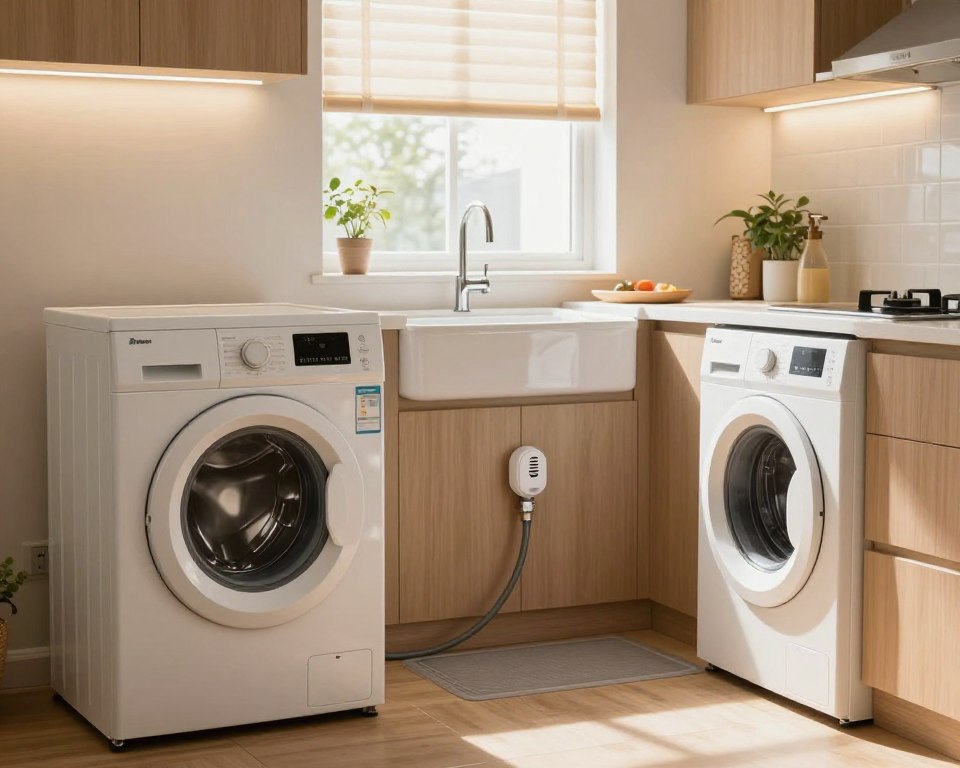
First, make sure appliances and fixtures are installed correctly. Then, do regular checks. For example, look at the hoses behind your washing machine and dishwasher for damage.
Versatile Restoration Pros says to check these hoses every year. Replace them every five years or sooner if needed.
Regular maintenance tasks include:
- Checking for leaks under sinks and around appliances
- Inspecting caulk and grout around fixtures for signs of deterioration
- Ensuring that appliance hoses are securely connected and not damaged
Use Drain Pans Beneath Appliances
Drain pans under water-using appliances like washing machines and water heaters help a lot. They catch leaks or spills, stopping water from spreading.
Choose a drain pan that fits your appliance and is durable. Make sure it’s connected to a drainage system to handle water.
| Appliance | Recommended Drain Pan Size | Drainage Connection |
|---|---|---|
| Washing Machine | 24″ x 24″ | Yes, to floor drain |
| Water Heater | 24″ x 36″ | Yes, to floor drain or outside |
Monitor Water Connections
Keep an eye on your appliances’ and fixtures’ water connections. Look for moisture, rust, or corrosion. Replace old hoses and tighten loose connections to stop leaks.
By being proactive, you can lower the risk of water damage. For more tips, talk to experts like Versatile Restoration Pros.
Develop an Emergency Plan
To handle water damage well, you need a good emergency plan. This plan helps you act fast and lessen damage when water emergencies happen.
Create Contact Lists for Professionals
Having a list of professionals for water damage is key. Include plumbers, restoration services, and insurance agents. For example, Versatile Restoration Pros can help right away. Keep their info in your phone or a place you can easily find it.
Having a list ready saves time and stress. Also, check their reviews and how fast they respond. This prepares you for any emergency.
Know How to Shut Off Water Supply
Knowing how to turn off your water supply is very important. Find the main shut-off valve and teach everyone in your home how to use it. For more help, check Aviva’s water loss prevention tips.
Check the shut-off valve often to make sure it works. This simple step can greatly lower the risk of big water damage.
Prepare an Emergency Kit
An emergency kit should have things you need for water damage. Include waterproof containers, flashlights, first aid supplies, and important documents. Having these items ready can help you respond better.
Also, add a list of emergency numbers and a battery-powered radio to your kit. Being ready with the right tools and info can lessen water damage’s impact.
Educate Yourself on Insurance Options
It’s key to know your insurance choices to keep your home safe from water damage. You’ve worked hard to stop water damage at home. Now, make sure you have enough coverage for unexpected events.
Homeowners Insurance Policies
Look at your homeowners insurance policy closely. It usually covers sudden water damage. But, it might not cover damage from neglect or floods.
Flood Insurance and Water Damage Coverage
If you live where floods happen, get extra flood insurance. Check your policy’s water damage coverage. Make sure it matches your efforts to prevent water damage.
Knowing your insurance choices and taking steps to prevent water damage helps protect you. For help with water damage, talk to experts like Versatile Restoration Pros.