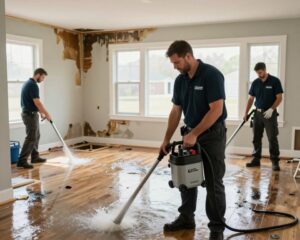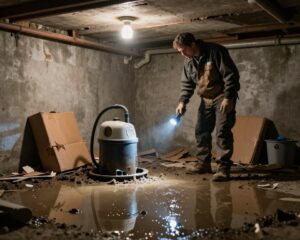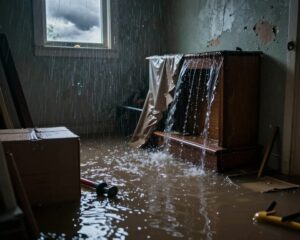
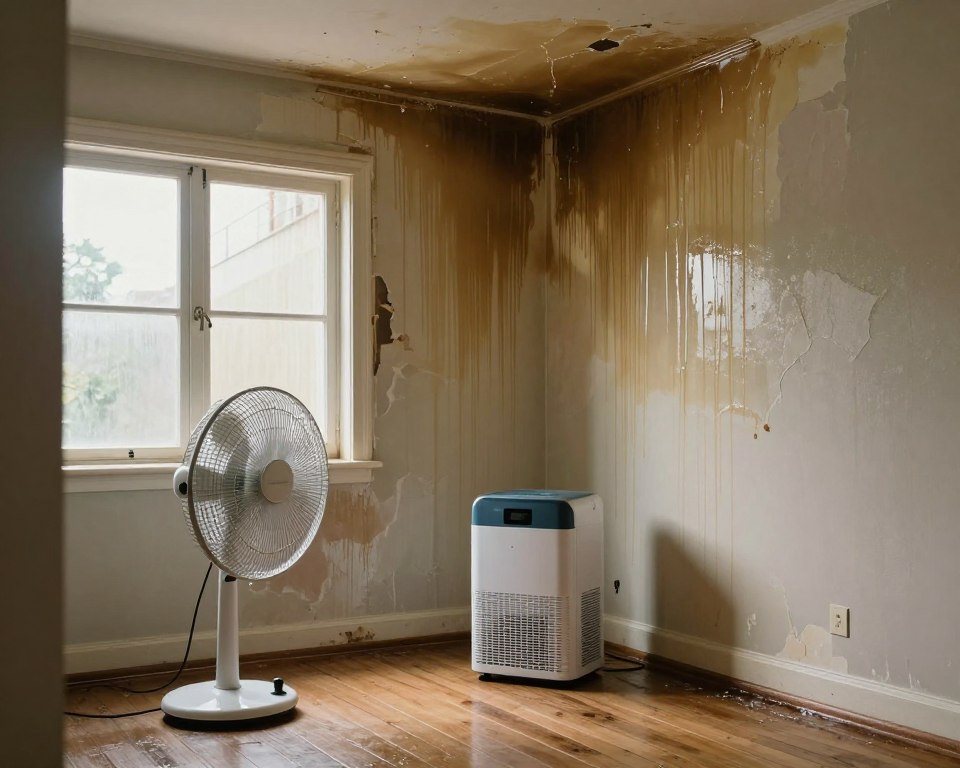
Water damage in your home can be scary and stressful. It might be from a burst pipe, a flooded basement, or a leaky roof. The best way to reduce damage is to act fast and right.
Immediate action is crucial to stop more damage and health risks. You must act fast to get your home back to normal. Versatile Restoration Pros can help you through this.
So, what do you do when you face emergency water damage? The answer is to know the right steps to take right away after finding the damage.
Key Takeaways
- Act quickly to minimize damage
- Understand the source of water damage
- Contact professionals for water damage cleanup
- Document damage for insurance purposes
- Ensure safety before starting cleanup
Assess the Situation
After water damage, it’s key to check the situation first. Always put safety first. Look for any damage like sagging ceilings or swollen floors and walls. Watch out for electrical dangers, especially near water.
Examine the Source of Water
Knowing where the water came from is important. It could be a burst pipe, a leaky roof, or flooding. Versatile Restoration Pros say knowing the source helps fix the problem and prevent it from happening again.
Identify Affected Areas
Find all areas hit by water damage. This includes the direct area and nearby rooms. Look for signs of water or moisture.
- Inspect walls, floors, and ceilings for damage.
- Check for water under flooring or behind walls.
- Use moisture detection tools for a detailed check.
Check for Contaminants
Water damage can bring in harmful stuff, especially dirty water. It’s important to check for these contaminants.
| Type of Water | Contaminant Risk | Action Required |
|---|---|---|
| Clean Water | Low | Drying and cleaning |
| Grey Water | Moderate | Cleaning and disinfection |
| Black Water | High | Professional remediation required |
Experts say, “A good water damage fix starts with a detailed check and the right actions.”
This careful plan makes sure all damage is fixed, reducing future problems.
Ensure Safety First
When dealing with water damage, safety comes first. Water damage can cause electrical risks, contaminated water, and unstable structures.
Turn Off Electricity
If you can, turn off the electricity to the affected areas. This step is key to avoid electrical shock or fires. Versatile Restoration Pros stress the importance of this action.
Avoid Contact with Water
Stay away from standing water that might have hidden dangers. The water could be full of sewage, chemicals, or other harmful stuff. It’s vital to be careful around standing water.
Wear Protective Gear
Before going into flooded areas, wear gloves and boots. This gear protects you from harmful substances and electrical dangers. Having the right gear is crucial for professional water damage services.
| Safety Measure | Description | Importance Level |
|---|---|---|
| Turn Off Electricity | Switch off the electricity to affected areas at the breaker box. | High |
| Avoid Contact with Water | Steer clear of standing water that may be contaminated. | High |
| Wear Protective Gear | Use gloves, boots, and other protective equipment when entering flooded areas. | High |
Document the Damage
To ensure a smooth insurance claim, you must document the water damage well. This step is key for your records and the insurance company’s review.
Take Photos or Videos
Begin by taking clear photos or videos of the affected areas and items. This visual proof will show your insurance company the damage’s extent. Make sure to take pictures from different angles and include close-ups when needed.
Make a List of Damaged Items
Make a detailed list of damaged items, noting their value and condition before the damage. This list is crucial for your insurance claim. Include as much detail as you can, like the item’s description, its original cost, and its current state.
Note the Timeframe of the Incident
It’s also important to document when the incident happened. Note when you first saw the water damage and any changes since then. This info helps show the damage’s cause and how it spread.
| Documentation Task | Description | Importance Level |
|---|---|---|
| Take Photos/Videos | Visual evidence of the damage | High |
| List Damaged Items | Detailed inventory of damaged goods | High |
| Note Timeframe | Timeline of when the damage occurred and was discovered | Medium |
By following these steps, you’ll have detailed documentation of the water damage. This helps with your insurance claim and when working with a water damage restoration company. Companies like Versatile Restoration Pros can help with the restoration. But, having good documentation from the start is essential.
Stop the Water Flow
Stopping the water flow is key to lessening water damage on your property. Quick action can greatly reduce damage.
Locate the Main Water Valve
If water damage comes from inside, like a plumbing problem, finding and turning off the main water valve is crucial. This valve controls your home’s water supply. Turning it off stops more damage. If you don’t know where it is, look at your home’s blueprint or call a pro.
Use Buckets or Towels for Small Leaks
For small leaks, using buckets or towels can help. Put buckets under the leak to catch water, or use towels to soak it up. This can lessen damage until a better fix is found.
Contact Professionals for Major Issues
For big water damage, call pros who know water damage cleanup and repair. They have the right tools and know-how to fix it right, making your property like new again.
| Action | Description | Benefit |
|---|---|---|
| Locate Main Water Valve | Identify and shut off the main water supply | Prevents further water damage |
| Use Buckets/Towels | Contain or absorb water from minor leaks | Minimizes immediate damage |
| Contact Professionals | Hire experts for significant water damage | Ensures effective restoration |
By doing these things, you can stop the water flow and lessen damage. For full water damage repair, talk to Versatile Restoration Pros for expert help and advice.
Remove Standing Water
To lessen damage, get rid of standing water fast. Water damage remediation begins with this step. It’s key for a good water damage assessment and fix.
Use a Wet/Dry Vacuum
For big water areas, a wet/dry vacuum works best. These vacuums can handle lots of water. They help dry things faster.
Utilize Mops and Towels
For small water spots, mops and towels work well. Change towels often to keep soaking up water.
Ensure Proper Water Disposal
After removing water, dispose of it right. If using a wet/dry vacuum, drain the water where it’s safe. Versatile Restoration Pros makes sure water is disposed of correctly. This prevents more problems.
| Method | Best For | Notes |
|---|---|---|
| Wet/Dry Vacuum | Large areas, significant water accumulation | Effective for quick removal, reduces drying time |
| Mops and Towels | Small areas, minor water accumulation | Change towels frequently to maintain effectiveness |
Dry Out Affected Areas
Drying out areas hit by water is key to fixing your home or business. This step involves several important actions. It ensures the area is dried and fixed right.
Open Windows and Doors
If it’s okay outside, opening windows and doors helps a lot. It brings in air to dry the area faster. This natural way is a big help at the start.
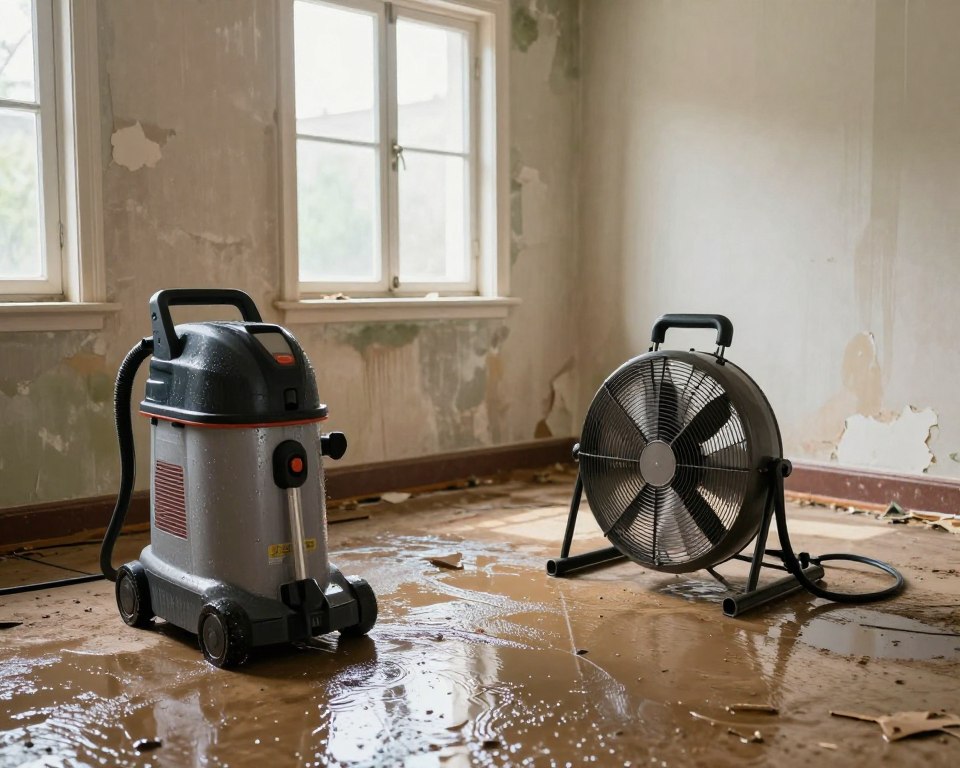
Use Fans and Dehumidifiers
Using fans and dehumidifiers also speeds up drying. Fans move air around, and dehumidifiers cut down moisture. This makes it tough for mold to grow. For tips on using these tools, check out Versatile Restoration Pros.
Remove Carpets and Rugs
Carpets and rugs hold a lot of water, which can lead to mold. Taking them out is often needed for the floor to dry well. Think about your floor type and how to dry it best.
| Drying Method | Benefits | Considerations |
|---|---|---|
| Natural Ventilation | Enhances airflow, free | Weather dependent |
| Fans and Dehumidifiers | Accelerates drying, reduces mold growth | Requires equipment purchase or rental |
| Removing Carpets and Rugs | Prevents mold and mildew, ensures floor dries | May require professional assistance for large areas |
By using these methods together, you can dry out the affected areas well. This helps lessen the damage from water. For expert help with fixing water damage, talk to professionals who can offer solutions for your case.
Clean and Sanitize
After fixing the water damage, it’s key to clean and sanitize the affected areas well. This step is important to remove dirt and stop mold and mildew from growing. These can harm your health and damage your property more.
Use Mild Detergents and Disinfectants
To clean surfaces touched by water, use mild detergents that are gentle yet effective. Then, use disinfectants to kill germs and bacteria. Versatile Restoration Pros suggest using products made for water damage cleanup.
When using these cleaners, remember to:
- Read the instructions carefully
- Wear protective gear, like gloves and masks
- Make sure the area is well-ventilated
Address Mold and Mildew
Mold and mildew can grow in 24 to 48 hours after water damage. First, find and fix the moisture source. Then, clean and disinfect the area. For big problems, get professional water damage services for a complete fix.
Dispose of Damaged Materials
Some materials, like carpets and drywall, might need to be thrown away if they’re badly damaged. This is important to stop mold and keep your property safe.
Assess Structural Damage
Water damage can harm your home’s structure. It’s key to check your home well. Look at different parts to find damage or risks.
Checking Walls and Floors
Look for water damage signs on walls and floors. Watch for discoloration, warping, or bad smells. Versatile Restoration Pros say to check for cracks or shifts.
Inspecting Ceilings and Roofs
Ceilings and roofs can get damaged by water too. Look for stains, sagging, or missing shingles. Make sure your roof is good and has no leaks. If unsure, get help from water damage repair experts.
Evaluating Foundation Integrity
Your home’s foundation is very important. Look for water damage signs like erosion or cracks. Make sure it’s stable and not shifting.
| Component | Signs of Damage | Action Required |
|---|---|---|
| Walls and Floors | Discoloration, warping, cracks | Inspect for hidden damage, repair cracks |
| Ceilings and Roofs | Stains, sagging, missing shingles | Check for leaks, repair or replace roofing material |
| Foundation | Erosion, cracking, shifting | Assess stability, repair or reinforce foundation |
By checking these areas well, you can find damage and fix it. For big problems, get help from experts.
Contact Your Insurance Company
When water damage happens, calling your insurance company is very important. This step helps you get the support you need to fix your property.
Review Your Policy Coverage
Before you file a claim, check your insurance policy. Know what’s covered and what’s not. Versatile Restoration Pros say to have your policy documents ready.
File a Claim Promptly
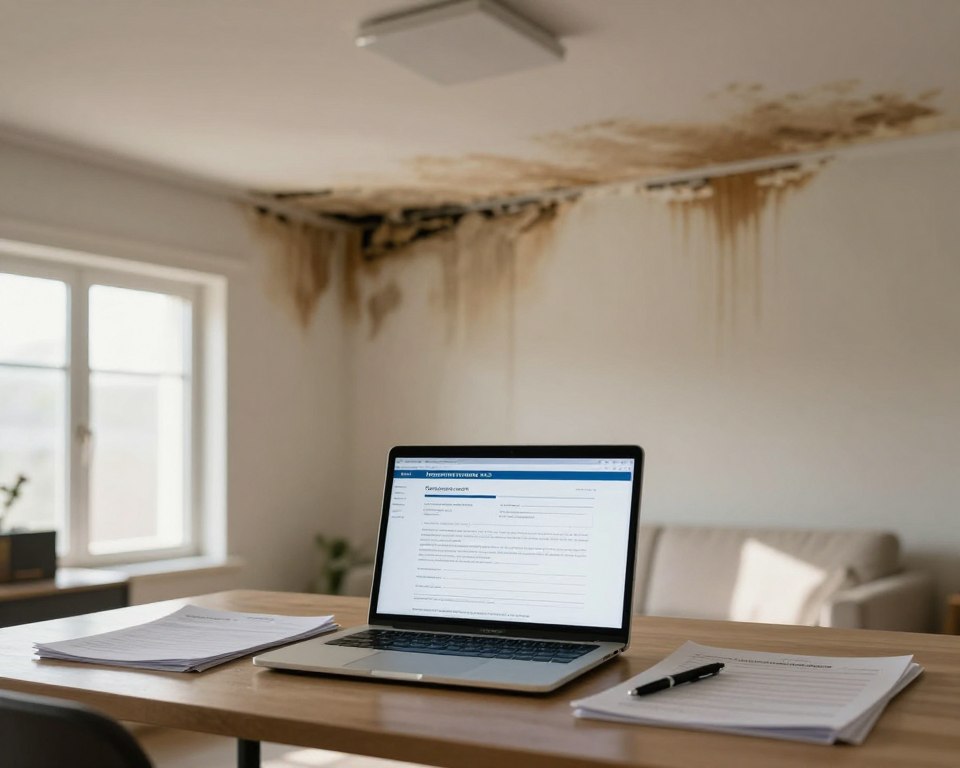
It’s key to file a claim fast. Tell your insurance about the damage right away. Have your policy number and details ready. Quick action is important for emergency water damage claims.
Keep Records of All Correspondence
Keep all your talks with your insurance company on record. This includes emails, letters, and phone calls. It helps track your claim and solves any problems later.
By following these steps, you can handle your insurance company well after water damage. This way, you can fix your property with the help of a good water damage company.
Consult with Restoration Specialists
To fix your property after water damage, you need experts. These pros know how to deal with water damage. They make sure your property is safe and fixed right.
Research Local Restoration Companies
Start by looking for local water damage experts. Check their reputation online. “A good company can really help,” experts say.
Make sure they have the right skills and experience. This is important for your case.
Compare Quotes and Services
After finding companies, compare their offers. Know what’s in their first quotes and what extra services might cost. Companies like Versatile Restoration Pros offer detailed plans.
Watch out for very low prices. They might hide extra costs or not do a good job.
Schedule an Inspection
Choose a company and ask for an inspection. They’ll see the damage and plan how to fix it. They’ll also tell you about dangers and what repairs you need.
By talking to experts, your property will be fixed well. This helps avoid future water damage problems.
Prevent Future Water Damage
To keep your home safe from water damage, take action early. Regular checks and upkeep can spot problems before they get big. Versatile Restoration Pros say to check your home often to stop water damage.
Regular Home Inspections
Look over your home’s plumbing, appliances, and roof often. This helps find leaks or damage early. Check for wear, make sure connections are right, and fix problems fast.
Gutter Maintenance
Keeping your gutters and downspouts clean is key. Clogged gutters can cause water damage and harm your foundation. Clean them often and think about gutter guards to block debris.
Flood Protection Measures
Think about getting flood barriers or sump pumps. They help keep water out during heavy rain or floods. Taking these steps can lower your risk of water damage and keep your home safe.
Water damage prevention needs a full plan. Regular checks, upkeep, and protective steps can lower damage risk. This keeps your home safe and healthy.