As a homeowner, you’ve put a lot of time and money into your home. But, unexpected events like water damage can change everything. You might wonder: are you covered?
It’s important to know what your insurance policy covers. The type of policy, the damage source, and if it happened suddenly or slowly matter a lot. At Versatile Restoration Pros, we aim to help you understand water damage restoration and insurance claims better.
Knowing what your insurance will do can help a lot when you file a claim. Let’s look into water damage coverage and how it fits with your home insurance.
Key Takeaways
- Understanding your insurance policy type is crucial for determining water damage coverage.
- The source and cause of water damage influence insurance claim outcomes.
- Sudden vs. gradual damage can affect your coverage.
- Knowing what your insurance covers can help you prepare for the unexpected.
- Working with a trusted restoration professional can streamline the claims process.
Understanding Home Insurance Policies
Home insurance policies can be complex. But knowing their basics is key to understanding water damage coverage. As a homeowner, it’s essential to know what your policy covers and what it doesn’t.
What is Home Insurance?
Home insurance is a type of property insurance for private residences. It offers financial protection against disasters, theft, and accidents. Think of it as a safety net that helps you recover from unexpected events that could damage your home or its contents.
Comprehensive water damage insurance is a key part of a home insurance policy. It helps cover the costs of water damage restoration. For more information on what home insurance covers, you can visit Progressive’s guide on home insurance coverage.
Common Types of Coverage
Standard home insurance policies include several types of coverage:
- Dwelling coverage: Covers the structure of your home.
- Personal property coverage: Covers your belongings.
- Liability coverage: Protects you against lawsuits for bodily injury or property damage.
- Additional living expenses coverage: Covers temporary housing costs if you can’t live in your home due to damage.
Understanding these coverage types is crucial for knowing how they apply to flood damage coverage in home insurance and other water-related incidents.
Limits and Exclusions in Policies
While home insurance covers a wide range of damages, there are limits and exclusions. For instance, most policies don’t cover flood damage unless you have a separate flood insurance policy. It’s also important to note that maintenance-related issues, such as gradual leaks or mold, might not be covered under standard policies.
Reviewing your policy to understand these limits and exclusions is key. It helps you make informed decisions about additional coverage options, such as insurance for water damage repairs. This ensures you’re adequately protected against potential risks.
Types of Water Damage Covered by Home Insurance
How much your home insurance covers for water damage depends on the damage type and your policy. Knowing this helps you deal with claims and avoid surprise costs.
Sudden vs. Gradual Damage
Insurance usually covers sudden water damage, like burst pipes or appliance overflows. This damage is unexpected and can cost a lot to fix if not fixed fast. But, damage that happens slowly, like from neglect, is not covered.
Sudden Damage Examples:
- Burst pipes
- Appliance overflows
- Accidental discharge from plumbing systems
Flood Damage and Exclusions
Flood damage is a big deal. Most home insurance doesn’t cover floods. If you live in a flood area, you need extra flood insurance.
Coverage for Burst Pipes and Leaks
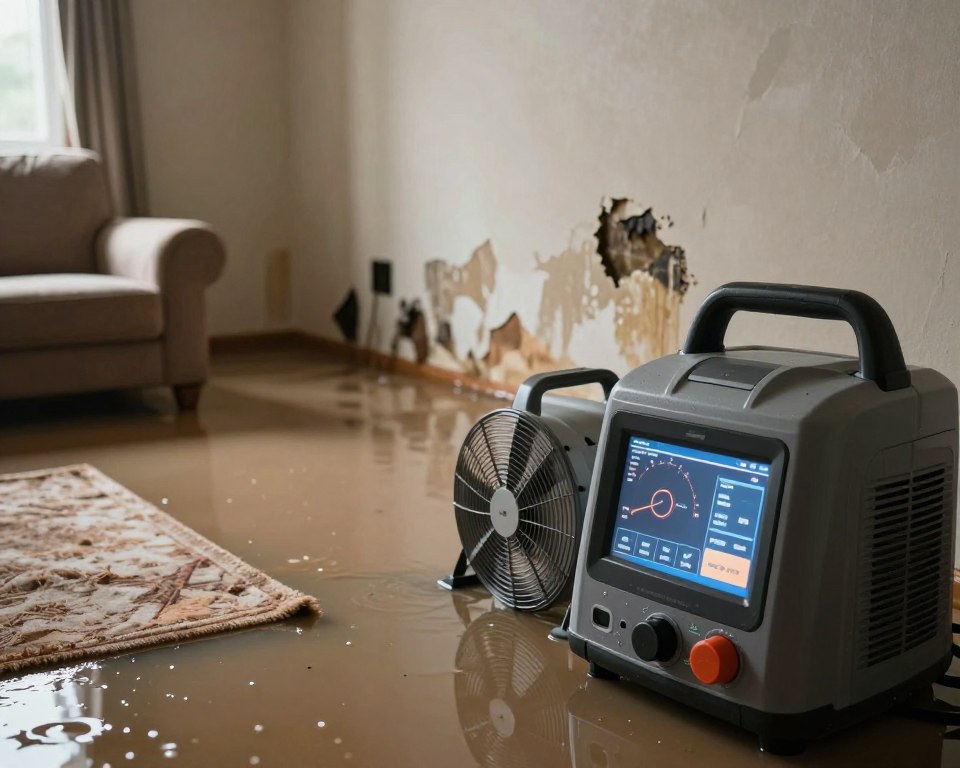
Burst pipes and leaks are common water damage causes. Luckily, most insurance covers these, as long as they’re sudden and not from neglect. Keeping your plumbing in good shape is key.
| Type of Water Damage | Typically Covered | Typically Excluded |
|---|---|---|
| Sudden Damage (e.g., burst pipes) | Yes | |
| Gradual Damage (e.g., long-term leaks) | Yes | |
| Flood Damage | Yes (unless additional flood insurance is purchased) |
Knowing what water damage your insurance covers helps you prepare for the unexpected. It also helps you avoid surprises with exclusions or limits in your policy.
Water Damage Restoration Process
After water damage, the first step is a thorough assessment and inspection to see how bad it is.
Quick action is key to stop more damage and fix things right. Versatile Restoration Pros offers top-notch water damage services. They help you through every step.
Initial Assessment and Inspection
The first thing is to check your property well. They look for damage that’s easy to see and hidden problems too.
Cleaning and Drying Techniques
After checking, they start cleaning and drying the damaged areas. This step is key to stop more damage and prevent mold.
Versatile Restoration Pros uses the latest tools and methods. They make sure your place is clean and dry. For more tips on water damage, check TD Insurance’s water damage tips.
Repairing Structural Damage
The last step is fixing any structural damage from the water. This means repairing or replacing things like drywall and flooring.
With Versatile Restoration Pros, your property will be fixed up like new. You’ll be safe and worry-free again.
Factors Affecting Coverage for Water Damage
How much your home insurance covers for water damage depends on several key factors. Knowing these can help you deal with claims better. It ensures you have the right coverage when you need it.
Cause of Water Damage
The reason for water damage is a big factor in insurance coverage. Insurance companies split damage into sudden and accidental versus gradual. A burst pipe is sudden, but a leaky pipe over months is not.
Sudden vs. Gradual Damage: Insurance usually covers sudden damage, like a burst pipe. But, gradual damage, like a slow leak, might not be covered if it’s seen as neglect.
Policy Deductibles and Limits
Your policy’s deductibles and limits are also key. A deductible is what you pay before insurance kicks in. Limits are the max your insurance pays for a claim.
Understanding Deductibles: Higher deductibles mean lower premiums but more costs when you claim. Pick a deductible that fits your budget and premium costs.
Understanding Your Coverage Options
It’s important to review your policy and know your options. Some policies offer extra coverage, like flood insurance.
Comprehensive Coverage: Choosing comprehensive water damage insurance gives you more protection. It covers floods, burst pipes, and more. Always check your policy or talk to your insurance to know what’s covered.
Filing a Claim for Water Damage Restoration
Knowing how to file a claim for water damage is key for homeowners. Water damage can be stressful, especially with the insurance claims process. Versatile Restoration Pros will help you through the steps for a smooth claim.
How to File a Claim
Filing a claim for water damage has several steps. First, contact your insurance company right after damage happens. This first step is important for the whole process.
When you file, your insurance will send an adjuster to check the damage. It’s important to document everything before they arrive. Take photos, videos, and make a list of damaged items and areas.
Documentation Needed for Claims
Good documentation is key for a successful claim. You’ll need to give your insurance company:
- Photos and videos of the damage
- A detailed list of damaged or destroyed items
- Receipts for any temporary repairs or expenses related to the damage
- Any other relevant documentation requested by your insurance adjuster
As
“The key to a successful insurance claim is thorough documentation. The more information you can provide, the smoother the process will be.”
Tips for a Successful Claim Process
To have a successful claim, be proactive and detailed. Here are some tips:
- Act quickly: The sooner you file your claim, the sooner the process can begin.
- Be detailed: Provide as much detail as possible when documenting the damage and filling out claim forms.
- Keep records: Maintain a record of all correspondence with your insurance company, including dates, times, and the names of representatives you speak with.
By following these steps and tips, you can handle the claims process better. This way, you’ll get the coverage for water damage restoration needed to fix your home.
Additional Coverage Options for Water Damage
You can protect your home more by looking into extra coverage. Standard home insurance covers many types of water damage. But, there are special endorsements and add-ons to boost your protection.
Enhancing Your Policy
Endorsements and add-ons can be added to your policy. They offer extra coverage for specific water damage types. Or, they can protect your personal belongings more.
Flood Insurance Considerations
If you live where floods are common, you need special flood insurance. Knowing about flood coverage in home insurance helps you choose wisely.
Preventative Measures
Keeping your home in good shape is key to avoiding water damage. By doing regular maintenance, you lower the risk of water damage. This ensures your insurance covers you well.
Understanding your insurance policy and looking into extra coverage is smart. Review your policy and think about adding more coverage. This way, you can protect your home better from water damage.