
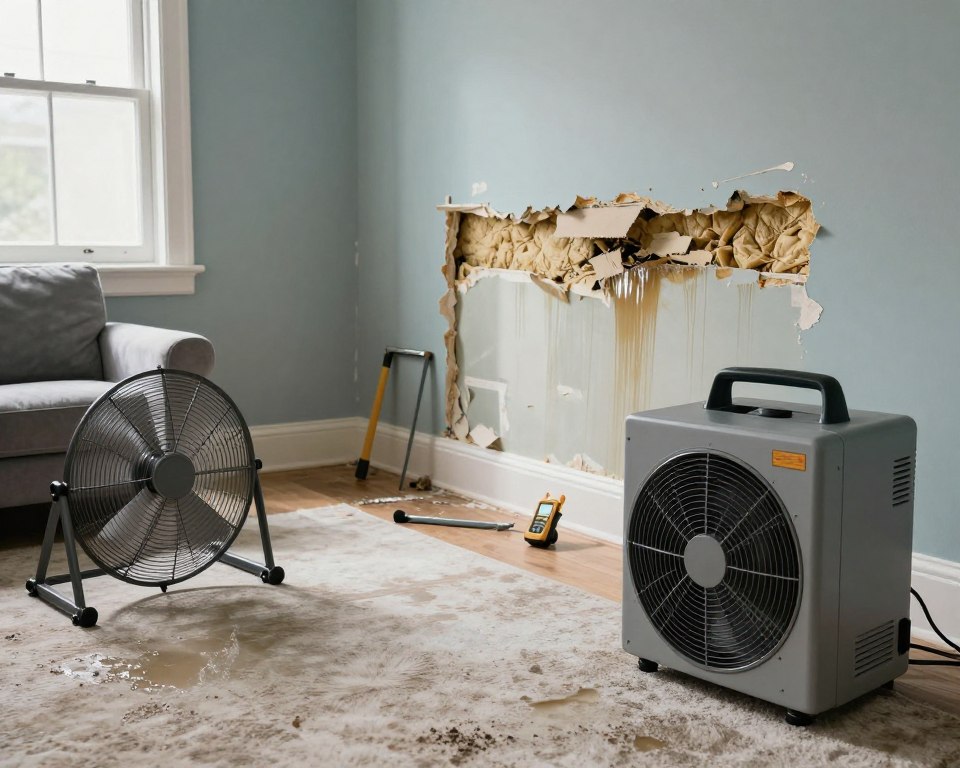
When disaster hits, you might wonder if you should fix water damage yourself or get help. DIY might save money, but it comes with big risks.
Experts say fixing water damage restoration without the right tools and skills can cause more harm. This can lead to expensive fixes later. Versatile Restoration Pros knows how important it is to make the right choice.
So, what are the dangers, and how do you make sure you fix it right? It’s key to understand the challenges of DIY water damage restoration.
Key Takeaways
- DIY water damage restoration can be risky if not done correctly.
- Professional restoration services can mitigate further damage.
- Proper equipment and knowledge are essential for successful restoration.
- Assessing the extent of the damage is crucial before deciding on a course of action.
- Versatile Restoration Pros offers expert water damage restoration services.
Understanding Water Damage Restoration
When disaster hits and water damage happens, knowing how to fix it is key. Water damage can come from many sources. The fix isn’t just drying things out. It’s also about finding and fixing the problem that caused the damage.
What is Water Damage Restoration?
Water damage restoration means making a property like new after water damage. It includes steps like removing water, drying, cleaning, and making sure everything is safe. Professional water damage restoration services, like Versatile Restoration Pros, use special tools and methods to get the job done right.
Common Causes of Water Damage
Knowing why water damage happens can help prevent it. Some common reasons include:
- Leaking or burst pipes
- Appliance malfunctions
- Natural disasters like floods or storms
- Clogged drains or sewage backups
Finding out where the water damage came from is key. It helps fix the problem and stops it from happening again.
The Importance of Timely Restoration
Fixing water damage quickly is very important. Waiting too long can cause more damage and health risks. It can also make fixing things cost more. Experts in water damage restoration, like Versatile Restoration Pros, can act fast to lessen damage and get properties back to normal.
Understanding water damage restoration helps homeowners make smart choices when damage happens. This way, they can get the right help to fix their property quickly and well.
Signs You Can Handle It Yourself
Not all water damage needs a pro; some can be fixed by you. Knowing when to do it yourself can save time and money.
Minor Water Damage Scenarios
Small leaks or spills can be quickly fixed. If the damage is minor and you act fast, there’s little risk of big problems or mold. Examples include:
- Small leaks under sinks or around toilets that are quickly fixed.
- Spills on hard floors that are immediately cleaned.
With the right tools and steps, you can fix minor water damage yourself.
Basic Tools and Supplies You’ll Need
To tackle minor water damage, you’ll need some basic tools and supplies. These include:
| Tool/Supply | Purpose |
|---|---|
| Mops and buckets | For cleaning and removing water from floors. |
| Towels and rags | For drying surfaces and absorbing spills. |
| Wet/dry vacuum | For efficiently removing water from carpets and hard-to-reach areas. |
| Dehumidifier | For reducing moisture in the air to prevent mold growth. |
Knowledge of Water Damage Types
It’s important to know the type of water damage you’re facing. Water damage falls into three categories:
- Clean Water Damage: Comes from clean sources like leaky faucets. It’s the easiest to fix.
- Gray Water Damage: Has some contaminants and can make you sick. It comes from things like washing machines or dishwashers.
- Black Water Damage: Is very contaminated and dangerous. It includes sewage, floodwaters, and seawater.
Knowing the type of damage helps you choose the right fix and safety steps. For DIY water damage restoration, it’s key to follow water damage restoration tips that fit the damage type.
By checking the situation, having the right tools, and knowing the damage type, you can decide if you can fix it yourself or need a pro.
Risks of DIY Water Damage Restoration
DIY water damage restoration might seem cheap, but it’s risky. You save on labor but face many dangers. These risks can cause big problems.
Hidden Dangers of Water Damage
Water damage can hide its true extent, especially in materials like drywall or wood. Hidden moisture can cause unseen structural issues. Water can seep into walls, floors, and ceilings, causing damage you can’t see.
- Moisture accumulation behind walls
- Waterlogged flooring that can collapse
- Ceiling damage that can lead to sagging or collapse
These hidden dangers can lead to expensive repairs if not fixed quickly and right. Versatile Restoration Pros know how important it is to find and fix these problems.
Mold Growth and Health Risks
Mold growth is a big risk with DIY water damage restoration. Mold loves damp places. If not dried and dehumidified right, it can cause serious health problems like breathing issues and allergies.
- Immediate health risks due to mold exposure
- Long-term health implications
- The challenge of completely removing mold without professional equipment
Professional services like Versatile Restoration Pros have the right tools and know-how to stop mold and keep you healthy.
Structural Integrity Concerns
Water damage can weaken your property’s structure. If not fixed right, it can cause big failures like wall or roof collapses. It’s key to fix it correctly to keep your property safe and valuable.
Knowing these risks helps you decide if DIY is right or if you need a pro. While saving money upfront is tempting, the long-term costs and risks often make hiring a pro wiser.
When to Call in the Professionals
Knowing when to call for help with water damage can save you money and trouble. Minor damage might be fixed on your own. But, bigger problems need a pro like Versatile Restoration Pros.
Extensive Damage Assessment
Big water damage needs a detailed check to see how bad it is. Experts use special tools to look at hidden spots. This helps find problems that could cause more trouble later.
- Detection of hidden moisture using advanced equipment
- Assessment of structural integrity
- Identification of potential mold growth areas
Specialized Equipment and Techniques
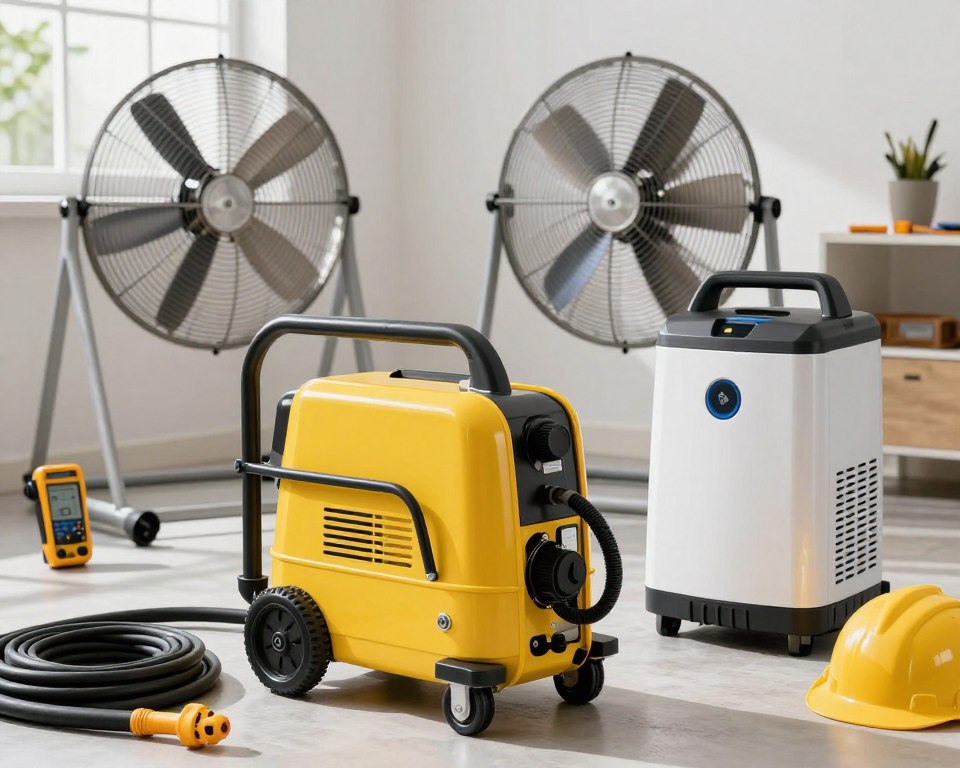
Experts use specialized equipment to fix your property fast. They have big dehumidifiers, powerful water extractors, and new drying tech. This cuts down drying time and stops more damage.
Insurance Considerations
Handling insurance for water damage can be hard. A good water damage company can help with your insurance. They work with your provider to make sure the fix is covered.
- Documentation of damage for insurance purposes
- Coordination with insurance adjusters
- Ensuring compliance with insurance requirements
Calling in pros for water damage fixes is smart. It ensures the job is done right and fast. Versatile Restoration Pros uses the latest methods and tools to fix your property.
Cost Comparison: DIY vs. Professional Restoration
Homeowners need to know the costs of fixing water damage. You might choose to do it yourself or hire experts. The cost of each option is a big factor in your decision.
When looking at the cost of fixing water damage, think about both the upfront and long-term costs. Here’s what you might find:
Initial Costs of Restoration
The cost to fix water damage can change a lot. If you do it yourself, you’ll need to buy or rent tools like wet/dry vacuums and dehumidifiers. You’ll also need safety gear. The cost can be a few hundred to several thousand dollars, based on the damage.
On the other hand, hiring experts like Versatile Restoration Pros costs more upfront. But, they can do the job faster and better. This might save you money in the end.
- DIY Initial Costs: Equipment rental, materials, personal protective gear
- Professional Initial Costs: Service fees, equipment, labor
Potential Long-Term Expenses
DIY fixes might seem cheap at first. But, they can lead to big problems later. Without the right tools and knowledge, you might not dry everything properly. This can cause mold and damage to your home’s structure, costing a lot to fix.
Experts, however, can avoid these problems. They make sure everything is dry and safe. This can save you money in the long run.
- Mold remediation costs
- Structural repair expenses
- Potential health risks and related medical costs
Value of Professional Expertise
Hiring experts for water damage fixes is worth it. They do the job well and fast. They also know how to find and fix hidden problems, keeping your home safe.
Experts also offer guarantees and insurance. This gives you peace of mind and protects your wallet.
- Expertise: Professionals can identify and address hidden damage
- Guarantees: Many services offer guarantees on their work
- Insurance: Professional services are typically insured, protecting homeowners from liability
In summary, DIY fixes might seem cheaper at first. But, the long-term costs and risks can be too high. Hiring experts like Versatile Restoration Pros can save you money and ensure your home is fixed right.
Steps for DIY Water Damage Restoration
Fixing water damage yourself needs careful planning and action. It’s key to follow a set process to stay safe and get good results. This way, you can avoid risks and fix the damage well.
Essential Safety Precautions
First, make sure you have the right safety gear. This includes gloves, masks, and eye protection. Versatile Restoration Pros says safety is the most important thing when cleaning up water damage.
- Wear protective clothing to prevent skin contact with contaminated water.
- Use a mask to avoid inhaling mold spores or other airborne contaminants.
- Ensure the area is well-ventilated to prevent the buildup of harmful fumes.
Step-by-Step Water Removal Process
Removing water quickly is key to stop more damage and prevent mold. Here’s how to do it:
- Find and stop the water leak to prevent more damage.
- Remove standing water with a wet/dry vacuum or buckets.
- Use towels or a mop to dry the area as much as possible.
Drying Out the Area Effectively
After removing water, dry the area well. Use special tools and methods to get rid of all moisture.
| Equipment | Purpose | Tips for Use |
|---|---|---|
| Dehumidifiers | Reduce moisture in the air | Place in the center of the room for optimal airflow |
| Industrial Fans | Improve air circulation | Position to create a cross breeze |
| Moisture Meters | Monitor moisture levels | Check regularly to ensure the area is drying |
As
“The key to successful DIY water damage restoration is thorough drying and ensuring that no moisture is left behind to cause future problems.”
This rule helps you use drying tools and methods right.
By following these steps and being careful, you can fix your property after water damage. But, if the damage is big, it’s smart to get help from experts. They can make sure the job is done right and safely.
Evaluating Your Skills and Experience
Checking your skills is key to see if you can fix water damage by yourself. It’s not just about having the right tools. You also need to know how hard the job is and if you can do it well.
Assessing Your Comfort Level
How good you are at DIY projects matters a lot. Think if you’re okay with using power tools, dealing with dangerous stuff, and working in tight spots.
- Are you at ease with the idea of dealing with potentially moldy or contaminated water?
- Do you have experience with construction or repair projects?
- Are you prepared to invest the necessary time and effort?
Relevant Skills for DIY Restoration
Some skills are really important for fixing water damage by yourself. You need to know about building things, use the right tools, and know how to safely move around a damaged place.
Key skills to consider:
- Basic carpentry and plumbing knowledge
- Experience with power tools and equipment
- Understanding of safety protocols
When to Seek Help from Friends or Family
If your friends or family know about building, plumbing, or other useful stuff, ask for their help. Having people you can count on can really help your DIY project.
Consider reaching out if you need help with:
- Assessing the extent of the damage
- Using specialized equipment
- Providing additional labor
Tools and Materials You’ll Need
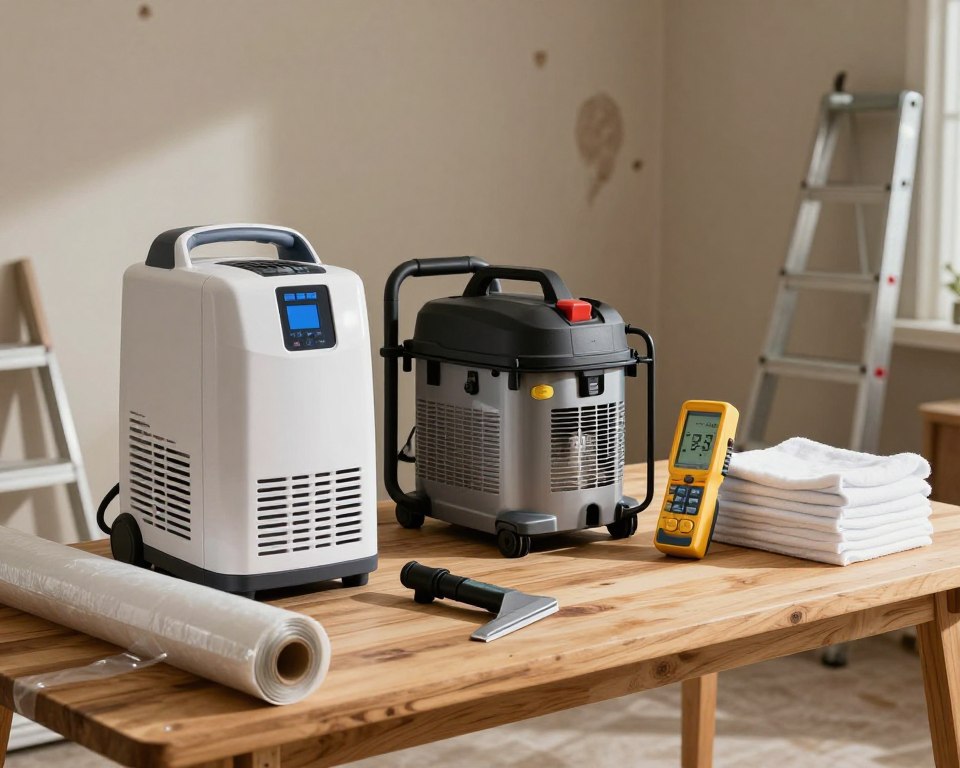
Fixing water damage needs the right tools and materials. Having the right stuff makes the job easier and safer. It also stops more damage and health risks.
Personal Protective Equipment (PPE)
First, put on the right Personal Protective Equipment (PPE). This means:
- Gloves to keep your hands safe from dirty water and chemicals
- Goggles or safety glasses to protect your eyes from debris and water
- Masks or respirators to keep out mold spores, dust, and other bad stuff in the air
- Coveralls or protective clothes to keep your skin safe from harmful stuff
As said by
“The importance of safety cannot be overstated when dealing with water damage restoration.”
Wearing the right gear is key to fixing the damage right.
Water Removal Equipment
Getting rid of water fast is very important. You’ll need:
- Wet/dry vacuums to suck up standing water
- Submersible pumps for big water jobs
- Mops and buckets for cleaning and drying
For big damage, you might need to rent or buy better water removal equipment. For more info, check out a complete guide to water damage restoration.
Drying and Dehumidifying Tools
After getting rid of the water, drying the area is next. You’ll need:
- Industrial fans to move air and dry things faster
- Dehumidifiers to lower moisture and stop mold
- Moisture meters to check if things are drying well
Using these drying and dehumidifying tools helps fix your place. The goal is to dry everything well to avoid more problems.
Learning Through Resources
To fix your property after water damage, you need the right tools. Versatile Restoration Pros know how important it is to use many resources. This helps achieve great results.
Using different resources can make you better at fixing water damage. You can learn a lot by checking out various learning spots. This way, you’ll know the latest and best ways to do things.
Online Tutorials and Guides
Online tutorials and guides are super helpful for learning about fixing water damage. Check out https://property-damage-restoration.10web.cloud/ for lots of info. They have step-by-step guides and videos.
These online spots cover everything from starting to finish. They give water damage restoration tips and show you new tools and methods.
- Step-by-step instructions for water removal and drying
- Guidance on safety precautions and personal protective equipment
- Tips for preventing mold growth and ensuring structural integrity
Local Workshops and Training
Local workshops and training give you hands-on practice. You learn from experts in the field. They teach about different parts of fixing water damage, like using special tools.
Going to local workshops helps you get better at doing things. You also learn new ways to fix things. Plus, you can meet other pros and hear their stories.
Community Support Systems
Community support systems, like online forums and local groups, are key. They let you share stories, ask questions, and get advice. It’s like having a team to help you.
Being part of these groups gives you emotional support and real tips. You can learn from others’ wins and mistakes. This helps you find the best ways to fix things.
By using these resources, you can get better at fixing water damage. Whether it’s online tutorials, local workshops, or community groups, there’s lots to learn. These tools will help you through the fixing process.
Understanding Your Insurance Policy
When water damage happens, knowing your insurance policy is key. It helps you avoid surprises and extra costs. You need to know what’s covered and what’s not.
Coverage for Water Damage Restoration
Most homeowner insurance covers sudden water damage, like a burst pipe. But, how much it covers can vary a lot. It depends on your policy.
- Check your policy documents to see what water damage is covered.
- Review the coverage limits to make sure they’re enough for restoration costs.
- Know the difference between replacement cost and actual cash value for damaged items.
Liability Considerations
Thinking about DIY water damage restoration? You should think about the risks. If you mess it up, you could face more damage or safety issues. This could lead to legal problems.
“Insurance policies often have clauses that could affect your liability in case of DIY restoration gone wrong. It’s crucial to understand these clauses to avoid any legal or financial repercussions.”
Filing Claims for DIY Efforts
Filing an insurance claim for water damage restoration is a process. It’s especially true if you’ve done it yourself. You must document everything from the start to the end.
- Document the damage with photos and videos before starting any restoration work.
- Keep detailed records of all restoration expenses.
- Notify your insurance company as soon as possible to understand their claim requirements.
Understanding your insurance policy is crucial for water damage restoration. Knowing what’s covered and how to file a claim helps. It makes the process smoother and reduces financial risks.
Long-Term Prevention Strategies
Preventing water damage is crucial. It saves you from costly repairs and stress. By using the right strategies, you can lower the risk of water damage at home.
Building Maintenance Tips
Keeping your building in good shape is key. Check your roof for damage and ensure gutters work well. Also, look for cracks in your home’s foundation.
Key maintenance tasks include:
- Inspecting and cleaning gutters and downspouts regularly
- Checking for and repairing roof leaks
- Ensuring proper drainage around your home’s foundation
Water Damage Detection Systems
Water damage detection systems are a smart investment. They warn you of problems early. This way, you can fix issues before they get worse.
Benefits of water damage detection systems include:
- Early detection of leaks and water intrusion
- Reduced risk of extensive water damage
- Peace of mind knowing your home is monitored
Regular Inspections and Upkeep
Regular checks and upkeep are essential. They help keep your home safe from water damage. Make sure to inspect appliances, plumbing, and HVAC systems often.
Regular inspection tasks should include:
- Checking hoses and connections for signs of wear or leaks
- Inspecting plumbing for any signs of damage or corrosion
- Ensuring that your home’s HVAC system is functioning correctly
Final Thoughts: Making the Right Choice
Deciding to fix water damage yourself or call professionals depends on many things. It’s about how comfortable you feel and how bad the damage is. You need to think about the good and bad of each choice.
Assessing Your Situation
Look at how bad the damage is and if you can fix it. If the damage is big or you’re not sure what to do, getting help from pros might be best.
Trusting Your Judgment
Listen to your gut when choosing DIY or hiring experts. If you’re not sure or feel uneasy doing it yourself, it’s better to get professional help.
Peace of Mind Matters
Companies like Versatile Restoration Pros offer top-notch services. They can make you feel better during a tough time. They make sure your place is safe and sound. Can I handle water damage restoration myself or should I hire professionals? It’s about knowing your limits and the job’s complexity.